Pilot lit, flame steady
This is what a working setup looks like: the pilot stays lit, the burner fires clean, and the gauges hold steady. The thermocouple is doing its job, sensing the flame and telling the gas valve to keep feeding it.
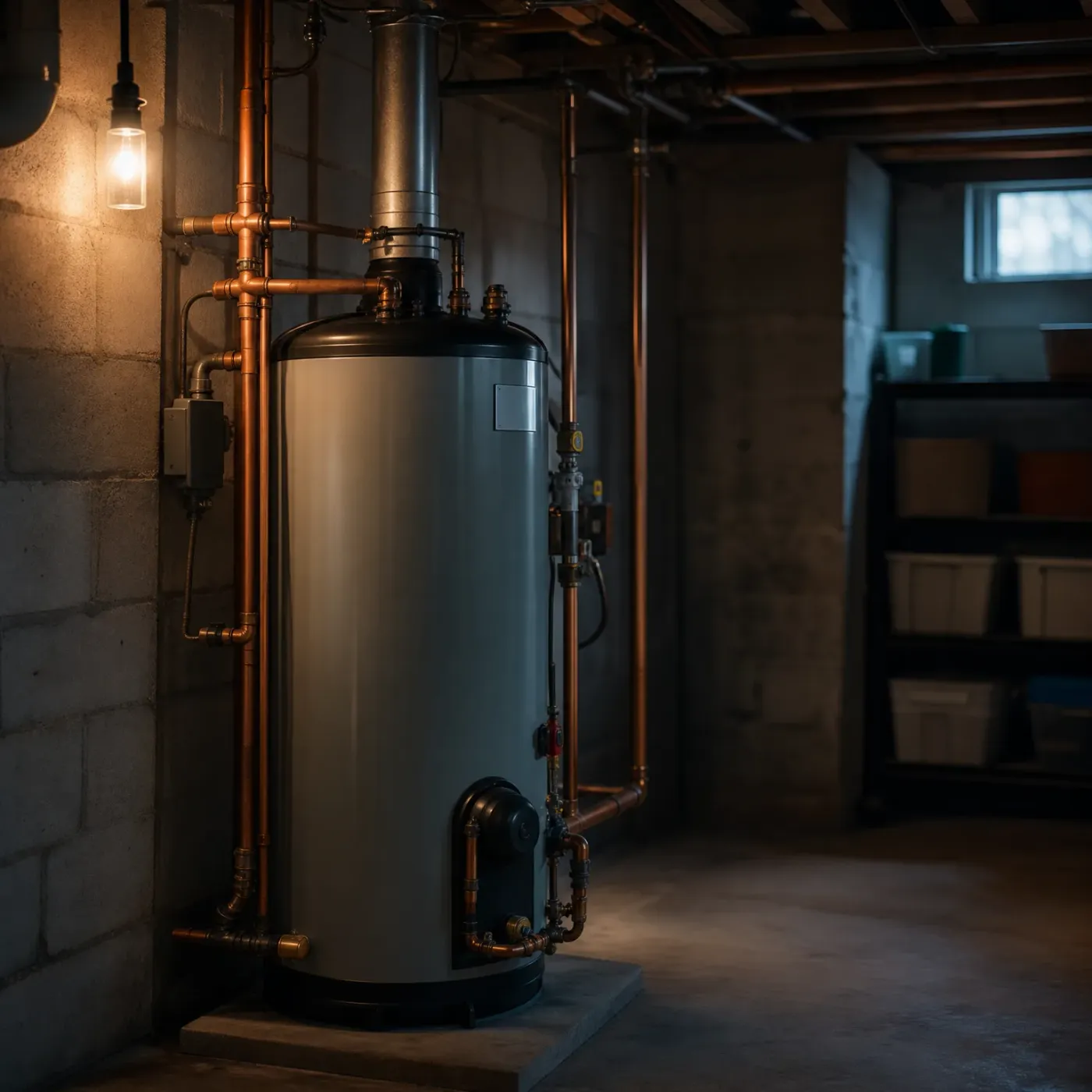
Matched to your boiler job
A pilot that won't stay lit usually points to a dirty or failing thermocouple, a draft hitting the flame, or a bad gas valve. This page gets into what's behind each one and what it takes to find the right cause in your boiler. Skip the back and forth of calling around Connecticut for someone who'll actually look at it. Answer a few questions and a contractor who handles this will reach out to you directly.
Get my matchA pilot light that won't stay lit is almost always the thermocouple. That's the small metal probe sitting in the pilot flame, and its job is to prove to the gas valve that the flame is actually burning. Once it wears out or picks up soot, it cools faster than the flame can reheat it, and the valve shuts the gas off to be safe. That's not a flaw in your boiler, it's the safety switch doing exactly what it's built to do. A draft from a basement window or a vent nearby can blow the flame thin enough to trip the same switch, and a failing gas valve will do it even with a clean, steady flame. Each of these needs a different fix, and the only way to know which one is happening in your boiler is to watch the flame and test the parts behind it.
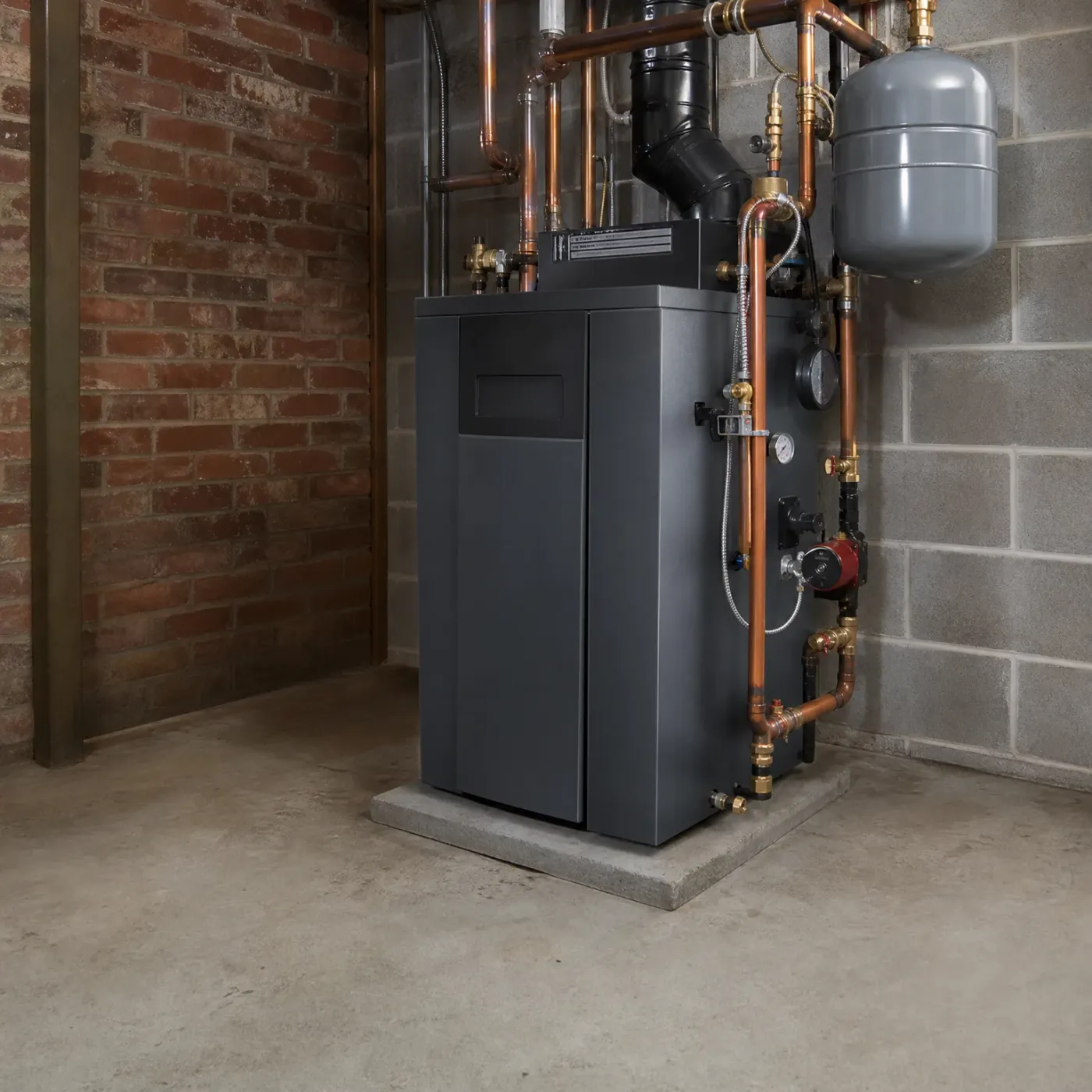
This is what a working setup looks like: the pilot stays lit, the burner fires clean, and the gauges hold steady. The thermocouple is doing its job, sensing the flame and telling the gas valve to keep feeding it.
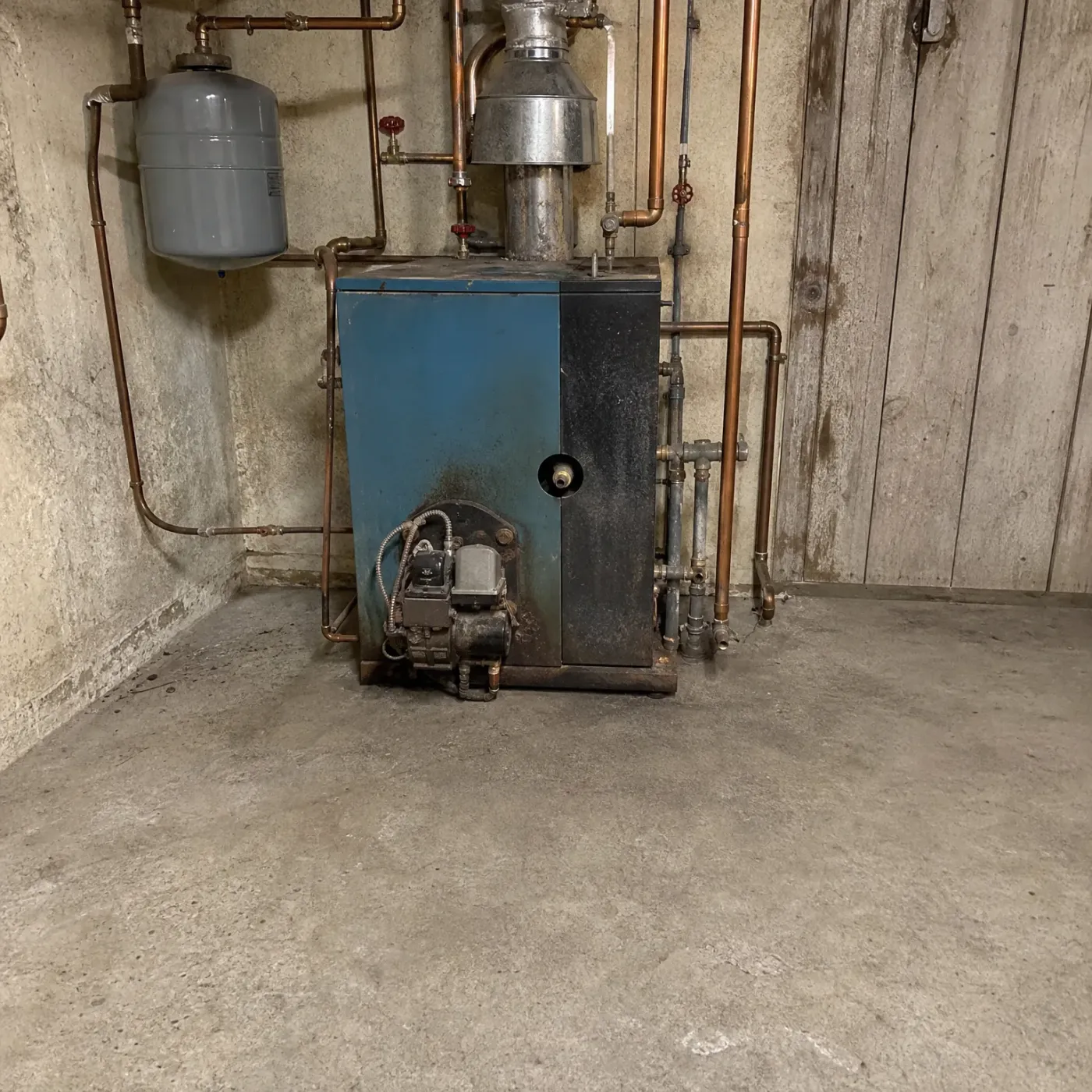
Here the pilot won't hold. It lights, then drops out again within a minute or two, or the boiler won't fire at all. A worn thermocouple, a draft near the flame, or a failing gas valve can all cause this, and figuring out which one takes a trained eye on your specific boiler.
You relight it, it holds for a bit, then goes dark again, maybe within minutes, maybe by the next morning. You might smell gas for a second when you strike the match, or hear a faint click from the gas valve as it tries to catch. Some nights you're down there two or three times before bed. If the pilot stays out long enough, the boiler won't fire at all, and with winters here, that means no heat and no hot water until someone gets it relit or fixed. If you're relighting it often, the gas valve or the thermocouple is working harder than it should, and that's worth having looked at before it quits for good on a cold night.
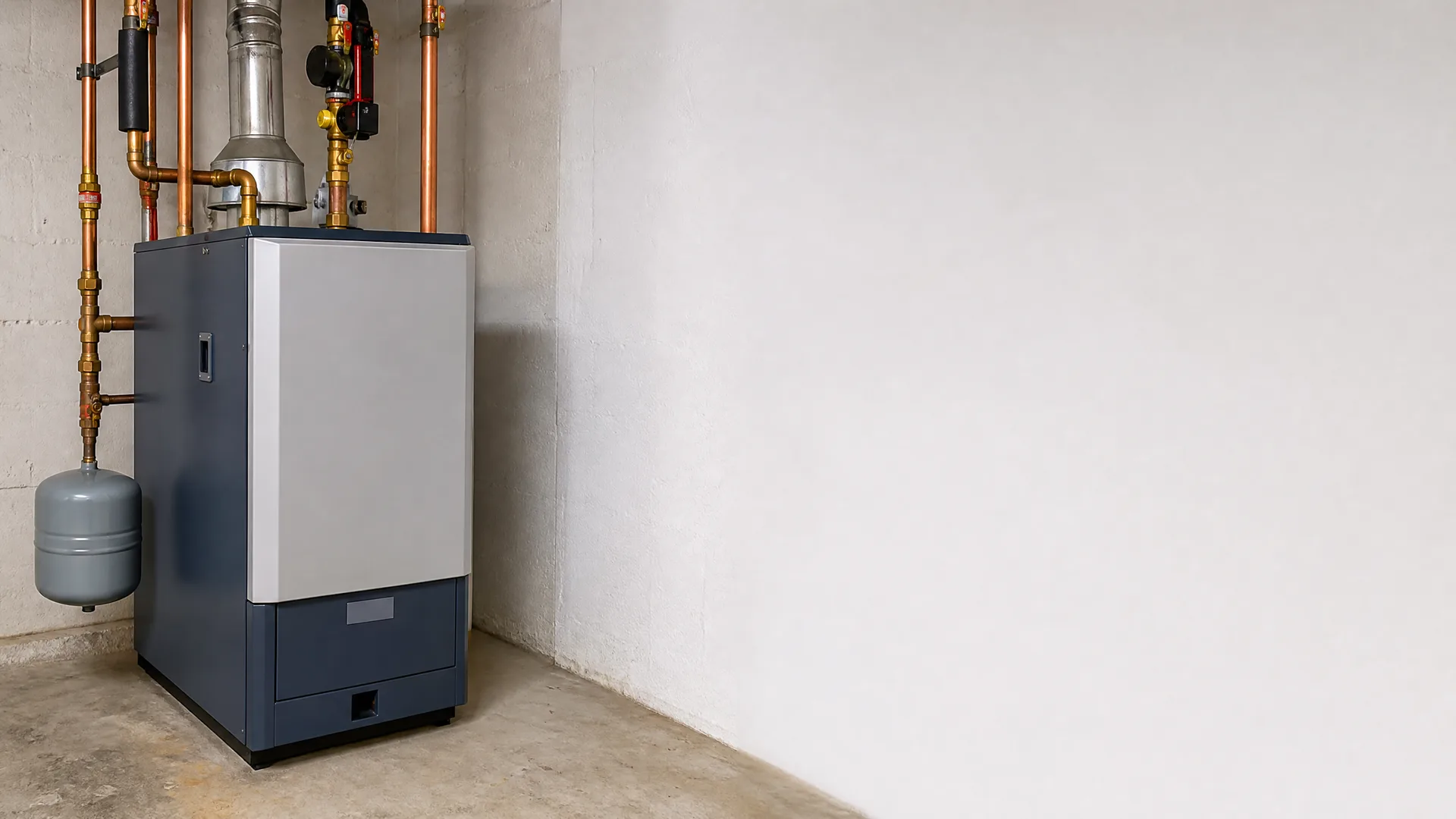
A pilot flame on most boilers is small and low to the ground, right where a basement door or a cold air return can reach it. A draft doesn't need to be strong, just steady, to push the flame off the thermocouple long enough for it to read cold. The gas valve shuts the flame down to keep unburned gas from filling the room. Sealing up a gap near the burner compartment sometimes fixes what looks like a thermocouple problem.
A thermocouple reads temperature by direct contact with the flame. Soot or carbon on the tip acts like a thin blanket between the metal and the fire, so the probe cools off faster than the actual flame does. The gas valve sees that drop and cuts gas to the pilot, even though the flame itself never went out on its own. A probe that looks gray or coated is usually the reason a pilot that relights fine still won't hold.

A thermocouple doesn't quit all at once. It drifts, reading the flame a little weaker each week, until the gas valve gets a signal too faint to trust and shuts the pilot down. That's why relighting it seems to work for a while. The flame is still there, still hot enough in that first minute, and the thermocouple hasn't yet cooled past the point the valve will accept. By the third or fourth relight in a week, you're not fixing anything. You're just buying another few hours before it happens again.
A contractor who's opened enough of these units can tell from how fast it drops out whether it's the thermocouple itself, the way it's seated in the pilot flame, or something further back in the gas valve. That's not a guess you can make standing in your basement with a lighter. If you'd rather skip calling around to find someone who can actually look at your boiler, this page can put you in front of a contractor who works on these in Connecticut, and they'll follow up with you directly.


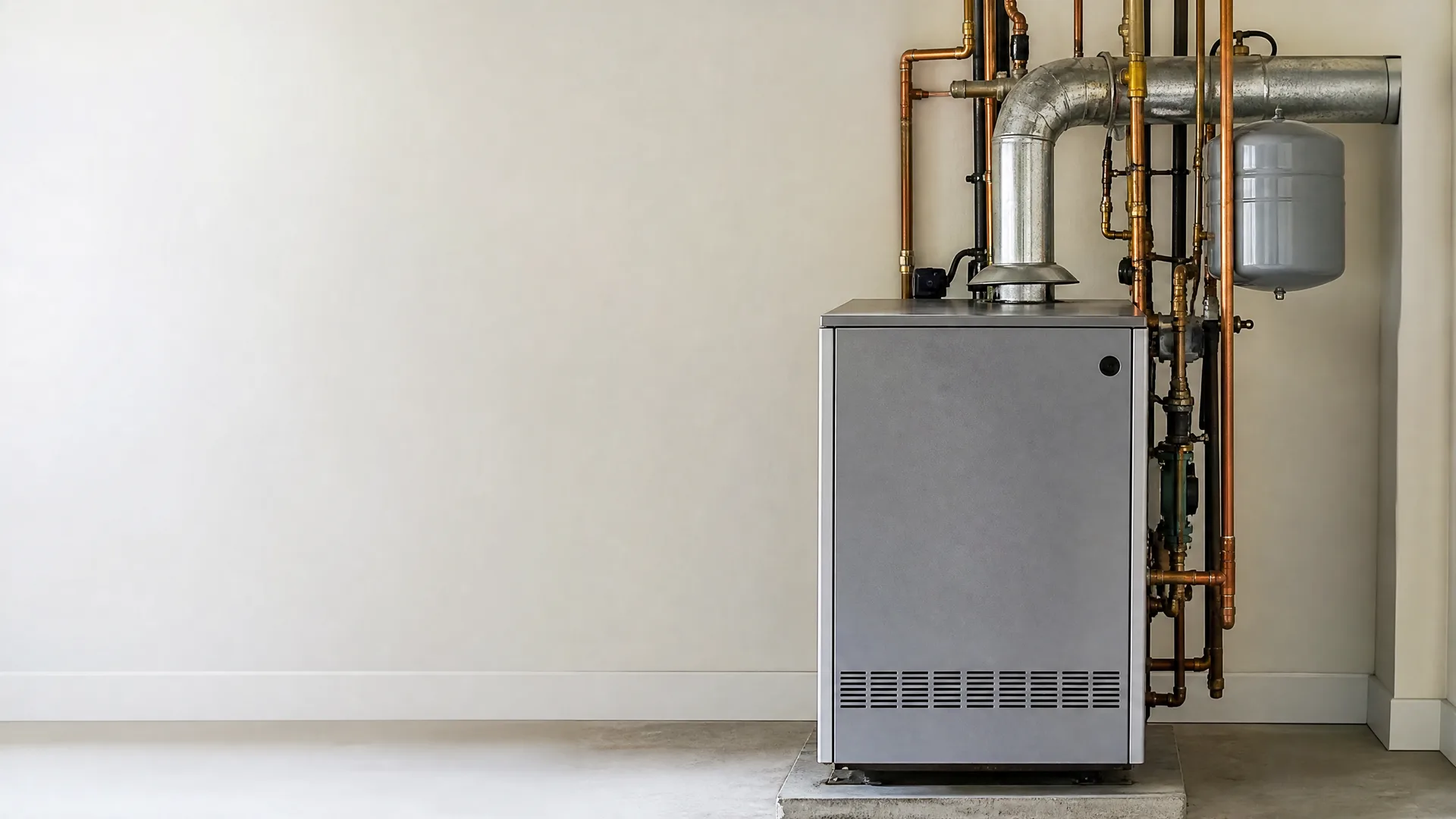
The pilot stays lit and the burner fires clean. Copper lines run from the boiler to the rest of the mechanical room, the expansion tank holds steady pressure, and nothing in the room needs a second look. You can forget the basement exists until the next cold snap.

Same room, same pipes, but the pilot won't hold. You're back down at the boiler with a lit match, crouching by the access panel, wondering if it'll stay this time. In a Connecticut winter that's not a basement you want to be checking twice a day.


Answer a few questions instead of calling shop after shop.
You only hire the pro if you want to.
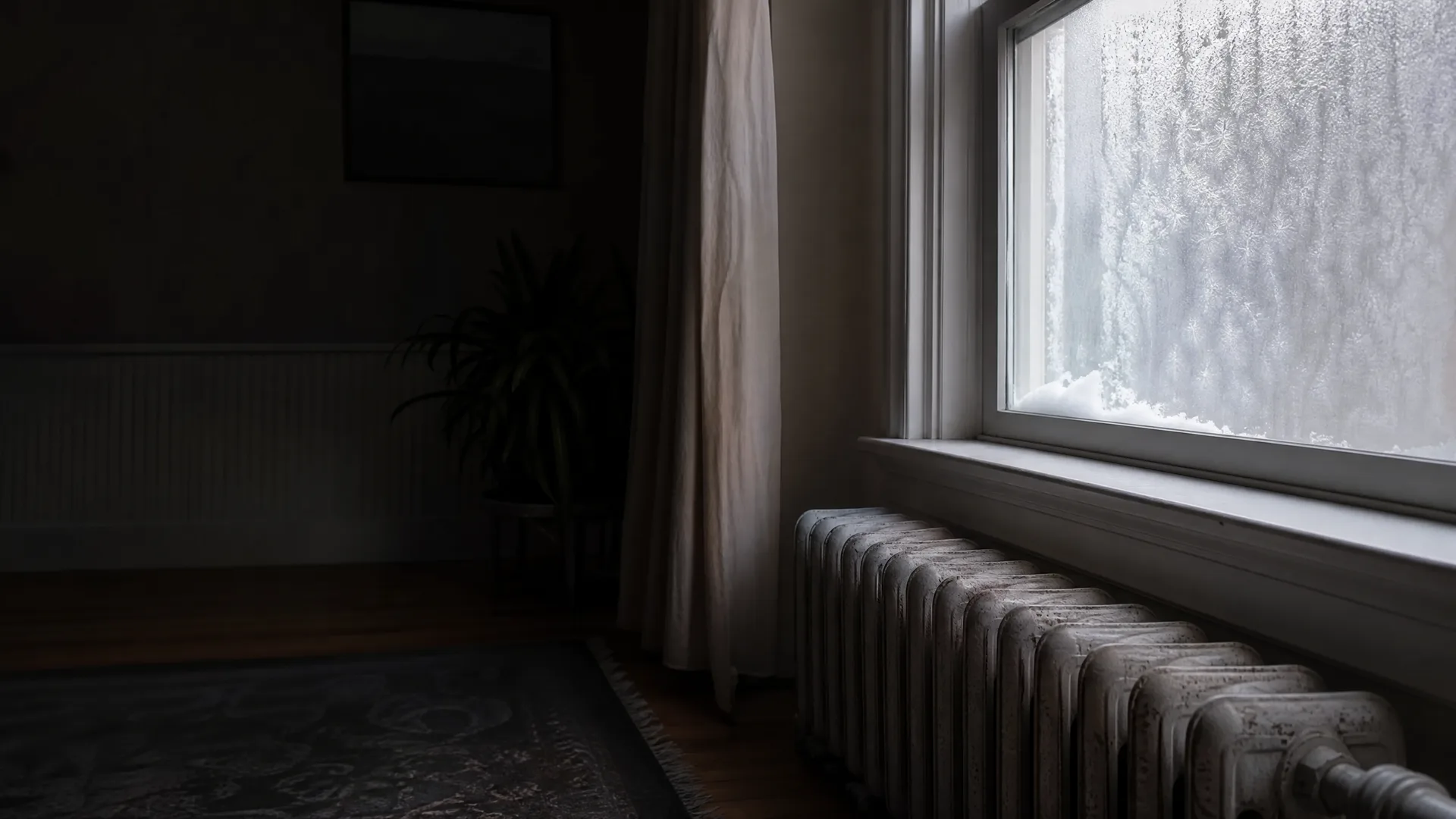
The radiator under the living room window has gone cold again. It's a little past six, still dark out, and the glass has a skin of ice on the inside where your breath and the cold outside met overnight. You bend down to check the pilot and it's out, same as yesterday. You can hear the house settling into the chill, that particular quiet a Connecticut morning gets in January when nothing is running. Your hand finds the thermostat anyway, like it might help. Down in the basement the boiler sits dark and silent. You already know you'll be striking another match before coffee.
You've relit the pilot three or four times now, and it keeps holding for a while before going dark again. With Connecticut power rates what they are, you're not eager to pay a contractor every time a flame goes out, so you're wondering if relighting it yourself is just something you can keep doing through the winter.
Relighting the pilot doesn't damage anything by itself, and it's a normal part of owning a boiler with a standing pilot. The problem is what it tells you. A thermocouple that's drifted weak doesn't recover because you struck a match. It'll hold the flame for a shorter stretch each time, until one morning it doesn't catch at all, usually on a night cold enough that you notice fast. A boiler that won't stay lit through a Connecticut winter isn't a once-a-week chore, it's a sign the thermocouple, the draft, or the gas valve needs a look. Finding a contractor who works on boilers, getting quotes, and explaining the same problem over the phone a few times is its own hassle. A page like this one can match you with someone local who handles it.
Statewide, winter nights average 23°F, according to NOAA climate data. That's cold enough for your boiler to run for hours without stopping, and a pilot that's already struggling with a weak thermocouple or a stray draft has more chances to go out before morning. You'll notice it on the coldest nights first, the radiators staying cool longer than usual, maybe a room that never quite warms up. A boiler that cycles the pilot on and off during a long cold stretch is also burning more gas trying to catch up, right when Connecticut power costs are hardest to stomach. The colder the night, the less margin a weak thermocouple has left.
NOAA nClimDiv 1991-2020 county normals weighted by homes


At 23°F, your boiler isn't cycling on and off, it's running long stretches to keep up. A thermocouple that's already marginal gets more chances to fail during a run like that than it would on a milder night, so the pilot tends to go out closer to morning than right after you relight it.
NOAA nClimDiv 1991-2020 county normals weighted by homes
Relighting it yourself costs nothing but your evening, and it works, for a while. Each time the flame holds a little less long than the time before.
A contractor can test the thermocouple's actual output and replace it in the same visit, which ends the relighting instead of buying you one more night of it.


Most nights this comes down to one part. The thermocouple sits in the pilot flame and tells the gas valve the flame is real. When it's worn or coated with soot, it reads weaker than the flame actually is, and the valve shuts things down even though the pilot was fine seconds earlier. A draft can do the same thing from the other direction, pushing the flame itself off the probe without you feeling any air move through the room. Either way, the pattern you're seeing, the pilot holding for a while and then dying, is the thermocouple losing ground a little more each week rather than failing outright. That's why relighting it keeps working for a while and why the gap between relights keeps shrinking instead of stretching out. On a 23°F night, which is about what Connecticut averages in winter, your boiler is running long enough without a break that a weak thermocouple gets more chances to drop out before morning than it would on a mild evening. If you're hearing a click from the gas valve or catching a trace of gas when you strike the match, that's past the thermocouple and worth having looked at directly rather than guessed at. None of this means the boiler itself is on its way out. It means one small part is no longer doing its job, and a contractor can test what it's actually reading versus what it should be reading, then replace it if that's what the numbers show.




A local pro for your boiler repair
Describe your boiler job once, to one pro.

