Tell us about the job
Takes about a minute. No obligation.
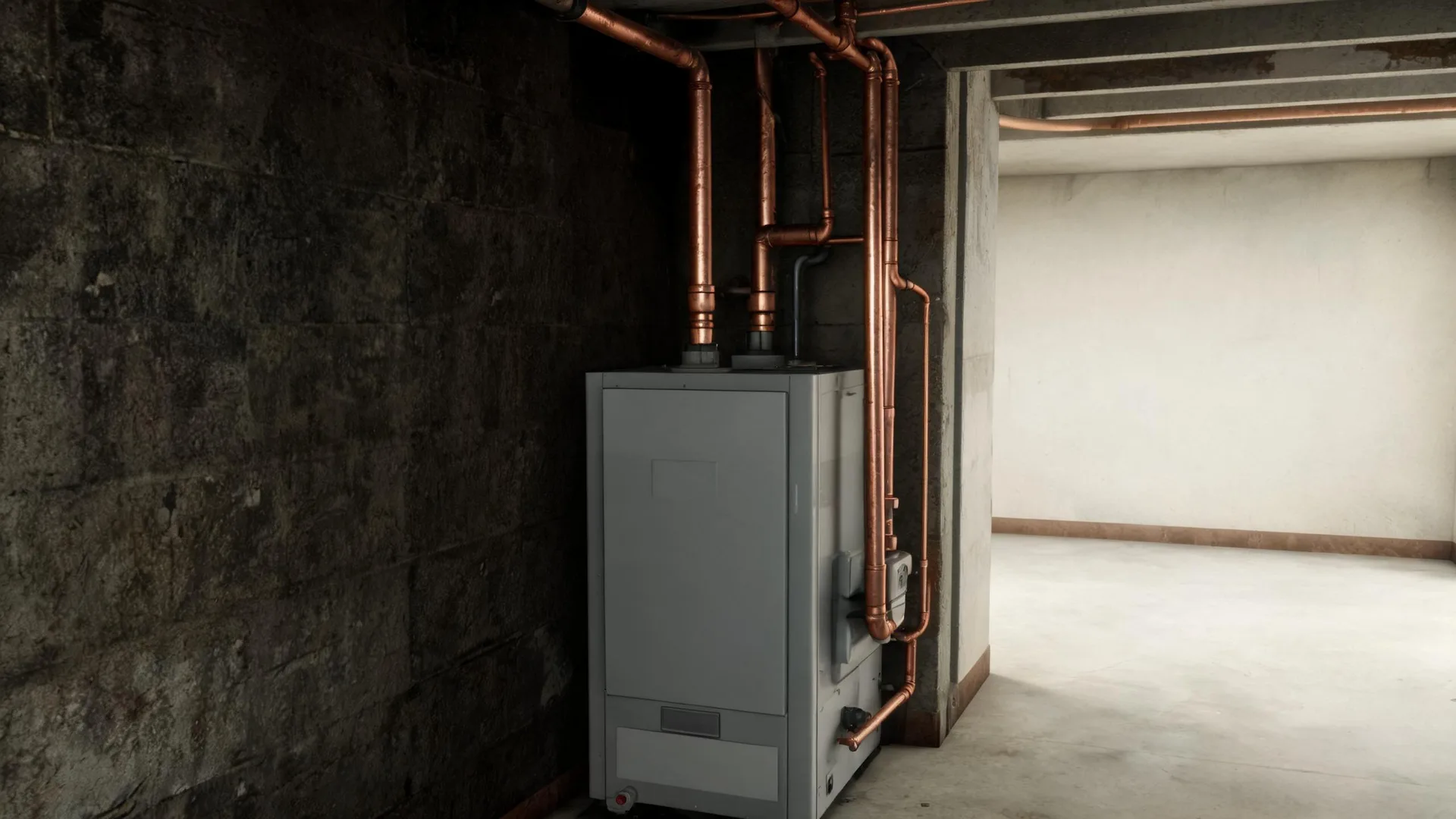
A boiler going into a repair call in Naugatuck Valley has already cycled through a long heating season, and the parts that take the load are the burner, the heat exchanger, and the ignition system. Homes in Naugatuck Valley Planning Region, CT run heat about eight months a year, from October through May. A contractor working a repair here checks those components first, because that is where wear from repeated firing and shutdown accumulates. Seals and expansion fittings also degrade under that kind of thermal cycling, and a fault in either can look at first glance like something simpler.
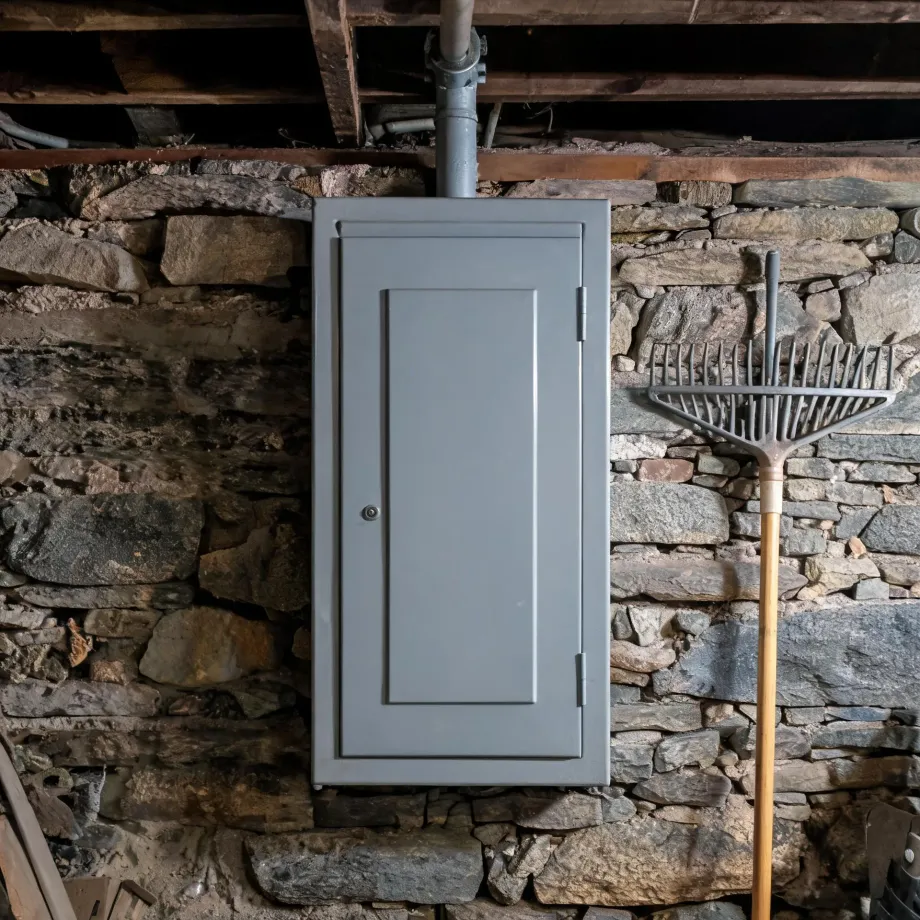
Piping runs, flue connections, and expansion tanks in houses of this vintage have been working as long as the boilers they serve, and by the time a boiler throws a fault, those surrounding components are often what a contractor finds driving it. Half the homes in Naugatuck Valley Planning Region, Connecticut were built in 1969 or earlier (2020-2024 ACS 5-year). A repair scoped only to the burner assembly or heat exchanger can miss a corroded section or a waterlogged expansion tank that will surface the next season. Parts for systems this old exist in some cases and have been discontinued in others, so what a contractor pulls off the shelf depends on what the opened boiler turns out to be.
The Parts of a Boiler a Contractor Checks First
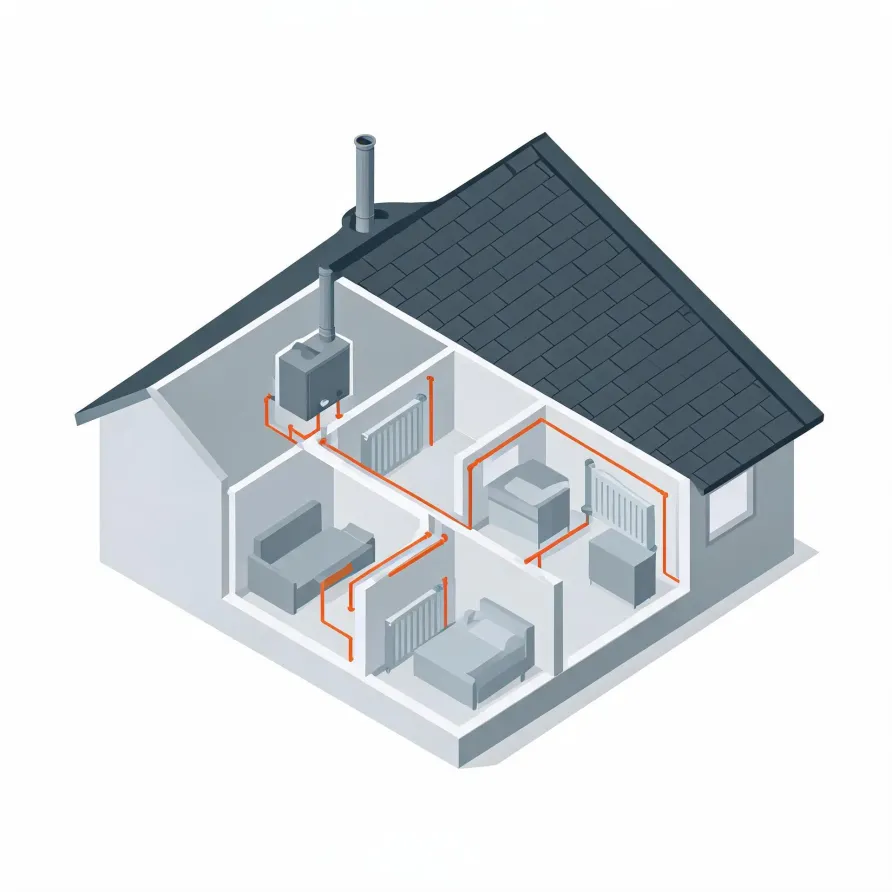
The boiler itself sits in the basement or mechanical room and is the piece a contractor goes to first. It heats water and sends it out through the system. When a boiler is losing pressure, running short cycles, or not firing at all, the problem almost always starts here, at the heat exchanger, the burner, or the controls mounted on the unit.
From the boiler, pipes carry hot water to radiators or baseboard units in each room, and a circulator pump keeps that water moving. The expansion tank, usually hanging near the boiler, absorbs pressure changes as water heats and cools. When a room stays cold or a pipe runs lukewarm, a contractor traces the path from the boiler out to those terminal pieces.
The drawing shows a typical boiler layout, and a licensed contractor determines which parts apply and what needs attention in your specific home.
Find a contractor in Naugatuck Valley Planning RegionNaugatuck Valley by the Numbers
Half the homes in Naugatuck Valley Planning Region, Connecticut were built in 1969 or earlier (2020-2024 ACS 5-year).
U.S. Census Bureau, 2020-2024 American Community Survey 5-Year EstimatesNaugatuck Valley Planning Region, Connecticut holds 192,551 housing units (2020-2024 ACS 5-year).
U.S. Census Bureau, 2020-2024 American Community Survey 5-Year EstimatesOwners occupy 68.6% of the occupied homes in Naugatuck Valley Planning Region, Connecticut (2020-2024 ACS 5-year).
U.S. Census Bureau, 2020-2024 American Community Survey 5-Year EstimatesBoiler Repair Rules & Codes for Naugatuck Valley Planning Region, Connecticut1 sourced standards and regulations
Licensing and Legal Requirements in Naugatuck Valley Planning Region, Connecticut
Connecticut requires a state licence to perform, or to advertise, heating, piping and cooling work: no person may practise an occupation this chapter covers without first obtaining one.