

How to bleed radiators before a Connecticut winter
Describe your boiler job, and a local pro who handles it gets in touch.
Get matchedBleeding a radiator means opening the small valve at its end to let trapped air out, until water comes through steady and the hissing stops. Air gets into the system over the summer, when the boiler sits unused for months, and it settles at the top of radiators, which is why the top of one stays cold while the bottom heats up fine. With a Connecticut winter on the way, that trapped air is worth clearing out now rather than finding out about it on the first cold night, because a radiator full of air takes longer to heat a room and makes the boiler work harder to do it. You turn the heat off first, let the radiators cool, then use a radiator key or flathead screwdriver on each valve, starting with the one farthest from the boiler. If a radiator still runs cold after bleeding, or the boiler's pressure keeps dropping, that points to something past a simple bleed.
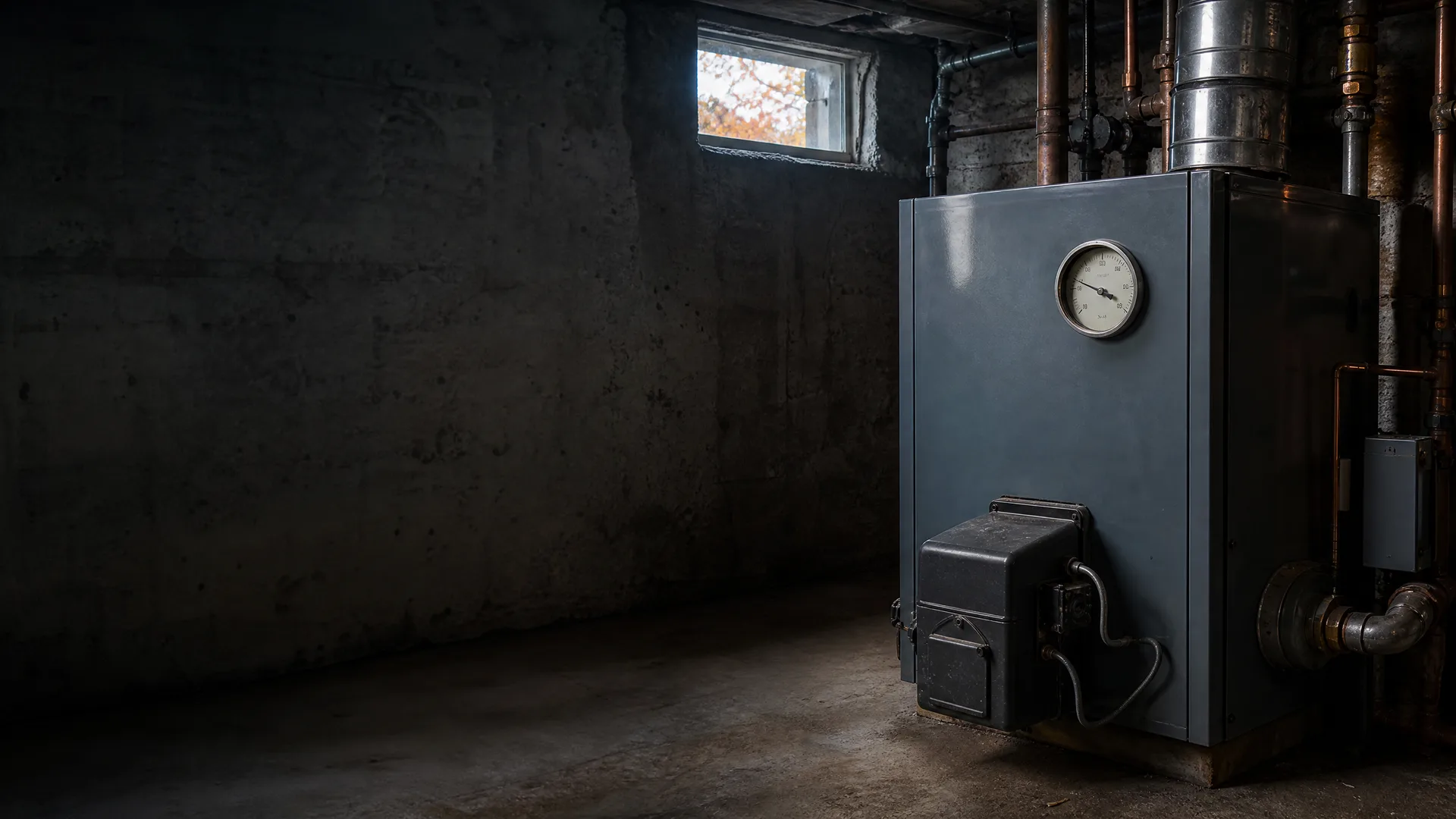
You go down to check the boiler before the first cold snap, the way you do every October. The basement smells like dust warming up for the first time in months. You crouch by the pressure gauge and the needle sits low on the dial, under where it should be. Upstairs, you'd noticed the radiator in the back bedroom ticking and hissing without ever getting properly hot. Down here, with the gauge low, it makes sense. Air worked its way in all summer while the system sat idle, and now it's sitting at the top of that radiator, keeping the hot water from filling it all the way. You find the bleed key on the shelf where you left it last year and head back upstairs.


Do It Yourself or Bring In Help
Bleed it yourself
- You need a radiator key or a flathead screwdriver, depending on the valve, and a rag to catch the water.
- Turn the boiler off first, since bleeding a hot system can spray hot water out of the valve.
- Open the valve slowly at the end of the radiator farthest from the boiler, and hold a cup under it.
- Close the valve the moment water starts coming out steady, with no more sputtering or hiss.
- Check the pressure gauge after, since letting air out drops the pressure and you may need to top it off.
- A radiator that stays cold at the top even after bleeding may point to something past what bleeding fixes.
Call a contractor
- A contractor can bleed every radiator in the house in one visit instead of you working room to room.
- If the gauge keeps dropping after you add water, that points to a leak somewhere in the system, not just trapped air.
- A radiator that won't hold heat even with air out may have a stuck valve or a blockage inside it.
- Someone who services boilers for a living can tell you if the pressure problem is the boiler itself and not the radiators.
- A contractor can check the whole system once, rather than you guessing which radiator is the actual problem.
- Finding someone to look at it stops being something you have to track down once you send the request.




A local pro for your boiler maintenance

Send the form, and lining up the boiler tune-up stops being yours to chase.
It costs nothing to send, and you don't have to hire anyone.
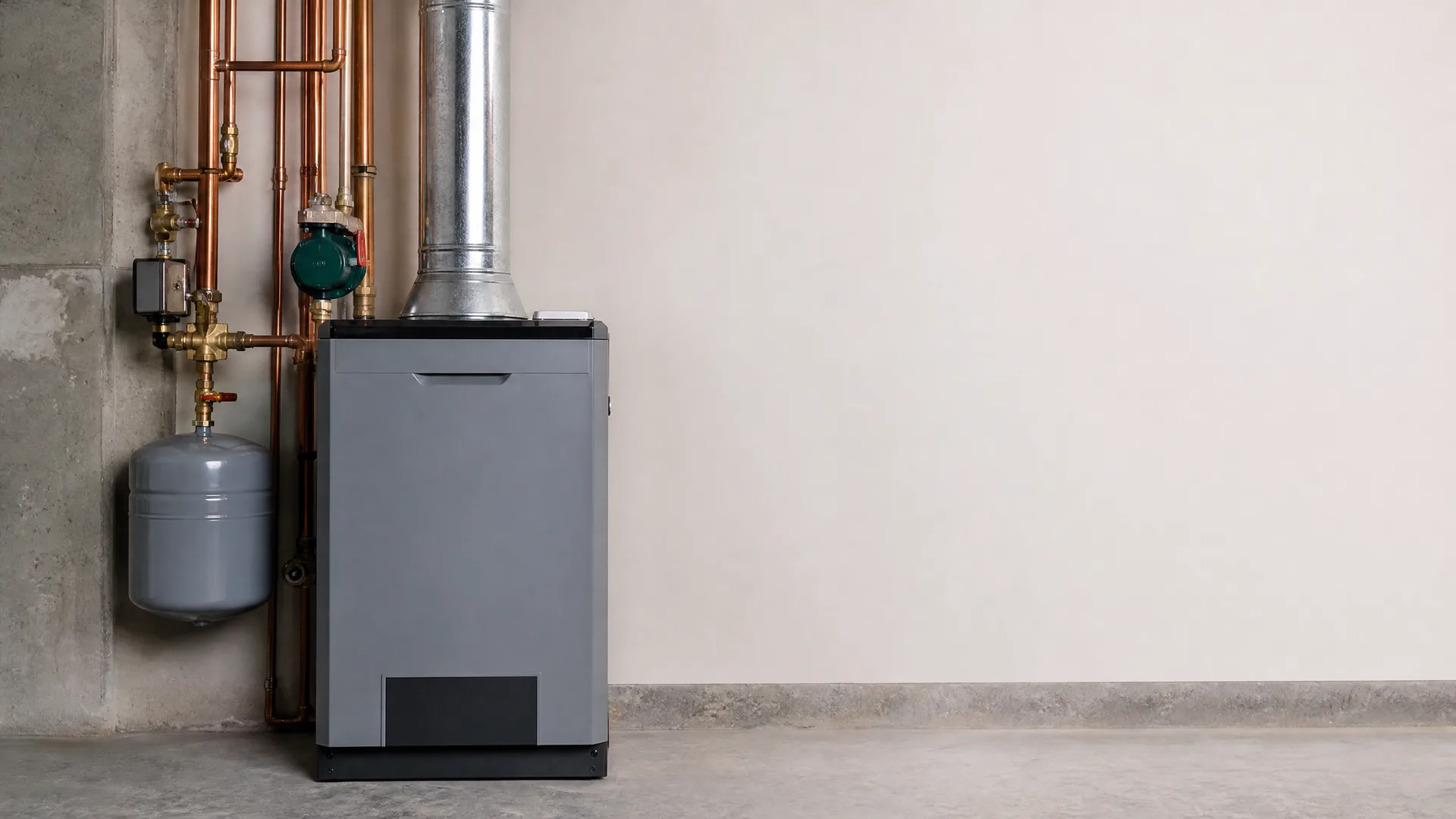
Why cold spots mean trapped air
Hot water enters a radiator at the bottom and pushes upward as it fills. Air pockets rise to the top and stay there, because air is lighter than water and has nowhere else to go once the valve is shut. That pocket blocks hot water from reaching the far end of the radiator, so the top and the far side stay cool while the near end, closest to the valve, still runs hot.
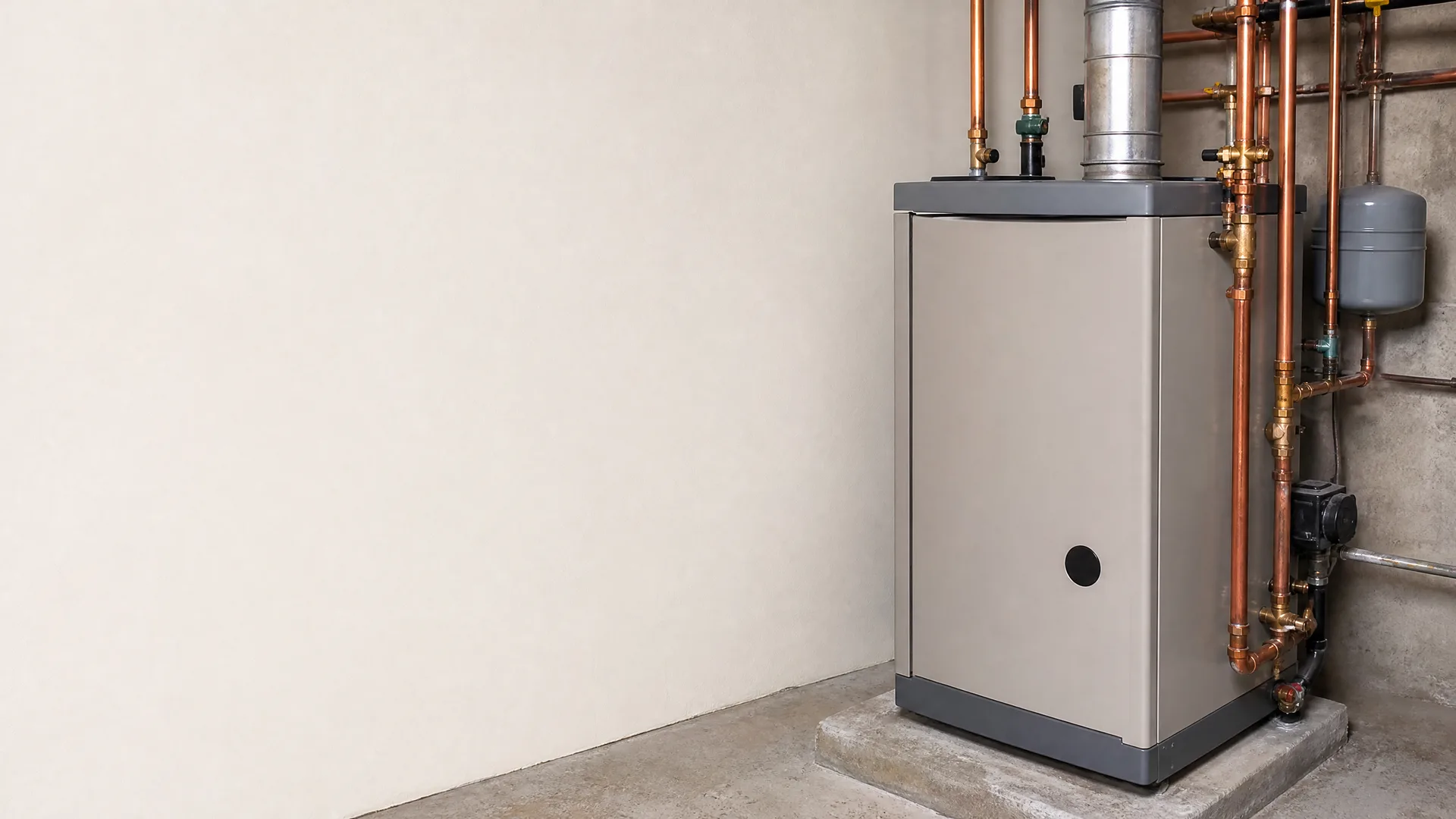
What the pressure gauge tells you
A boiler holds water at a set pressure, usually marked in a range on the gauge's face. Bleeding a radiator lets a little water out along with the air, and that drops the reading. If the needle falls below the marked range after you have bled every radiator in the house, the system needs more water added at the filling loop before you fire the boiler back up for the season.

Why the order you bleed them in matters
Start with the radiator closest to the boiler, then work outward to the one farthest from it. Connecticut boilers push water through the loop in one direction, and air pockets end up strongest at the far ends of the run. Bleeding out of order just chases air back and forth between radiators instead of getting it out of the system.
After you've bled every radiator, check the pressure gauge on the boiler itself. Letting air out drops the system pressure, and most boilers need a refill to around 12 to 15 psi to run right. If the needle won't hold, or one radiator never clears no matter how long you let it run, that's usually a sign of a bad valve or a leak somewhere in the loop, not something a key or a screwdriver fixes. A contractor who knows Connecticut boilers can look at what you've got and take it from there.

Winter nights average 23°F statewide
23°F is a hard freeze, and your boiler is what stands between that and your pipes. Trapped air makes it work harder to push heat through the loop on nights like that. Bleeding the radiators now means it isn't straining before the first real cold hits.
NOAA nClimDiv 1991-2020 county normals weighted by homes
Ready for the Cold
- Bleeding a radiator takes a key or a screwdriver, a rag, and maybe fifteen minutes for the whole house.
- Cold spots at the far end of a radiator mean air is trapped there, not that the radiator is failing.
- Working from the radiator nearest the boiler outward matches how the water actually moves through a Connecticut system.
- A pressure gauge that keeps dropping after bleeding points to a problem beyond air, worth having a contractor check.
- Once every radiator runs hot end to end and the gauge holds steady, the boiler is ready for the cold.
- Sending in the form hands the rest of the search to someone who already knows the local systems.
The check is simple. Every radiator in the house heats evenly from end to end, the hissing has stopped at each valve, and the pressure gauge holds steady instead of sliding back down. That's the whole job done. It doesn't take special skill, just a key or a screwdriver, a rag, and working through the house in the right order, starting near the boiler and moving outward.
Most years, that's the end of it. Air comes in over the summer while the boiler sits idle, and bleeding the radiators in the fall clears it out before the first hard freeze asks the system to work. But a gauge that won't hold, even after every radiator has been bled properly, is telling you something else is going on. Could be a leak somewhere in the loop, could be the expansion tank. That's not something to keep testing on your own through trial and error, especially with how much it costs here to run a boiler harder than it needs to run.
If that's where you've landed, the search doesn't have to stay yours to finish. Sending in the form connects you with a contractor who works on Connecticut systems regularly, and from there it's their job to figure out what's holding the pressure down, not yours. One form, and that part of the to-do list is off your plate before the cold really sets in.
Get the right pro for your boiler
Send the request and finding a pro stops being your problem.