 Describe it once
Why one radiator stays cold in a Connecticut winter
Describe your boiler job once, to one pro.
One radiator stays cold while the rest of the house heats fine. That usually means air trapped in the line, a valve that stopped opening, or sludge sitting low in that one loop. It is almost never the boiler itself, since the boiler still has to heat every other radiator in the house.
Connecticut winters don't give you room to let one room run cold while you figure this out. And with power rates here among the highest in the country, a boiler working around a stuck loop is pushing harder than it needs to just to keep that one room livable.
Finding someone to look at it is its own chore. You search, you find a few names, you call, you explain what's cold and what isn't, you wait to hear back, and then you do it again with the next company so you have something to compare. Most of that goes away here. You tell it once, to one contractor, and that's the only call that comes back.
The person who shows up is licensed and works in Connecticut, on boilers like yours, all winter. A cold radiator in a house full of warm ones is a problem they've already seen this season, probably more than once. They know whether to start by bleeding the line, checking the valve, or looking at what's built up inside the loop, instead of working through it from scratch.
You're not left sorting through a handful of quotes from companies that all called you the same afternoon. One contractor takes the job, looks at your system, and tells you what's actually wrong with that radiator. From there it's a straight line to getting it fixed, not another round of calls.
Why is one radiator cold when the rest of the house is warm?
You keep one room warm enough for whoever's in it, and right now that one radiator is cold to the touch while every other one in the house puts out heat. You've probably already checked that the valve is open. It's the kind of thing that's easy to live with for a day, but with a Connecticut winter outside and electric heat as a backup costing what it does here, a cold radiator in the room someone actually sits in is worth sorting out.
Air in the line is the most common reason, a stuck valve the next most common
Hot water boiler systems push water through each radiator in turn, and that one radiator sits at the end of a loop or on an upper floor where air likes to collect instead of moving through with the water. Air takes up the space hot water needs, so the radiator stays cold at the top, warm at the bottom, or cold all over. A valve that's corroded shut or a loop with sludge settled at the bottom does the same thing by blocking water instead of air. Either way the fix is specific to that radiator and that loop, not the boiler, which is why the rest of the house stays warm while one room doesn't.
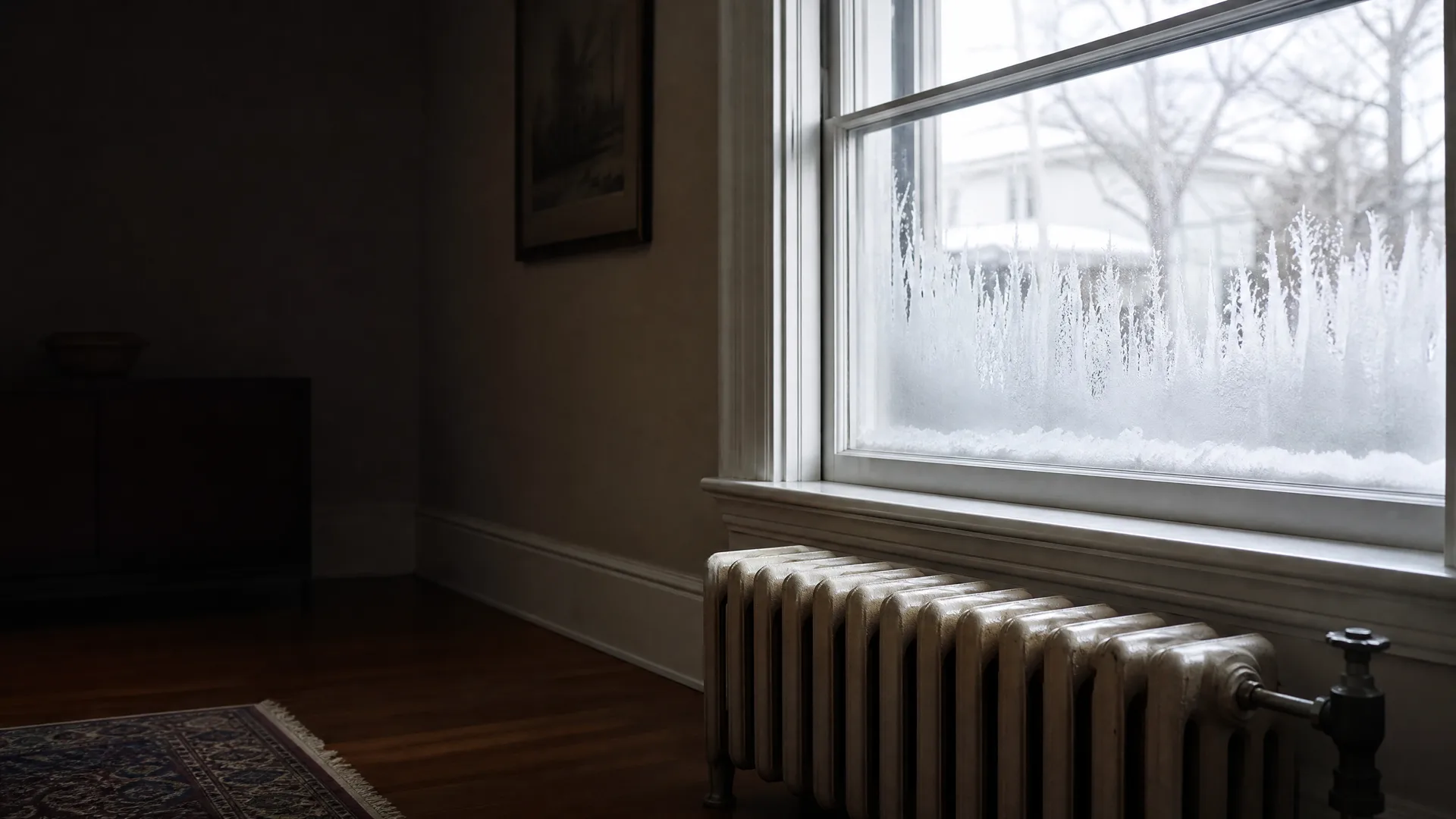
You come down before the thermostat's even kicked on again and the living room is the coldest room in the house. The window over the radiator has ice on the inside of the glass, a thin sheet of it across the bottom pane. You put your palm flat on the radiator's top ridge, then the bottom, same as yesterday. Cold straight through. Everywhere else the pipes are ticking and warm. You can hear the boiler running in the basement, so it's not that. Your kid's socks are on the floor by the vent, kicked off in front of a radiator that isn't doing anything. Outside it's still dark, maybe nineteen degrees, and this is the room everyone sits in once breakfast is done.
Why does that one room never feel right
You've probably noticed it's always the same room. You turn the thermostat up and every other radiator ticks and clanks and gets hot, but this one stays cool at the top, maybe warm only at the bottom near the valve. If you take the little key to it, you might hear air hiss out, or you might hear nothing at all because the valve itself won't open. The room runs a few degrees colder than the rest of the house, so you end up closing the door to keep the chill from spreading, or running a space heater in there instead. Left alone through a full Connecticut winter, that loop can sit full of trapped air or sludge long enough to corrode the pipe or the radiator from the inside.




Skip the search

The pro who reaches out is licensed in Connecticut.
You only hire the pro if you want to.
Why the bleed valve tells you first
A hot water system runs on a loop that has to stay full and sealed. Any air that gets in rises, and it collects at the highest point it can reach, which is usually the radiator furthest from the boiler or on the top floor. That's why bleeding a radiator works when it's the problem. Open the valve with the key and you hear a hiss before water comes out steady. If you get air and nothing else for more than a few seconds, the loop lost more water than one bleed can fix, and that points past a simple air pocket toward a leak somewhere feeding air back in.
What a stuck valve looks like
The valve at the bottom of the radiator has a pin inside that lifts when the thermostatic head calls for heat. Hard water leaves mineral deposits on that pin over years, and it can seize in the closed position even though the dial on top still turns. You'd feel the valve body itself stay cool while the pipe running into it is warm, since the hot water never gets past that point. A plumber can usually free it or swap the valve without draining the whole system, but if the pin's corroded through, the valve itself needs replacing.


Steam and hot water heat differently
- Steam and hot water systems fail differently, so the fix depends on which one heats your house.
- A hot water loop forces water through with a circulator pump, so a seized or weak pump can starve one loop entirely.
- A steam system relies on the air vent at the far end of the radiator, and a stuck or clogged vent traps air that should be escaping.
- Hot water radiators have a valve at each end, an inlet and a return, and either one can stick without the radiator ever getting hot at all.
- Pitch matters on steam radiators, since one set even slightly out of level keeps condensed water from draining back down the pipe.
- A closed loop that's low on water pressure will shortchange whichever radiator sits furthest from the boiler first.
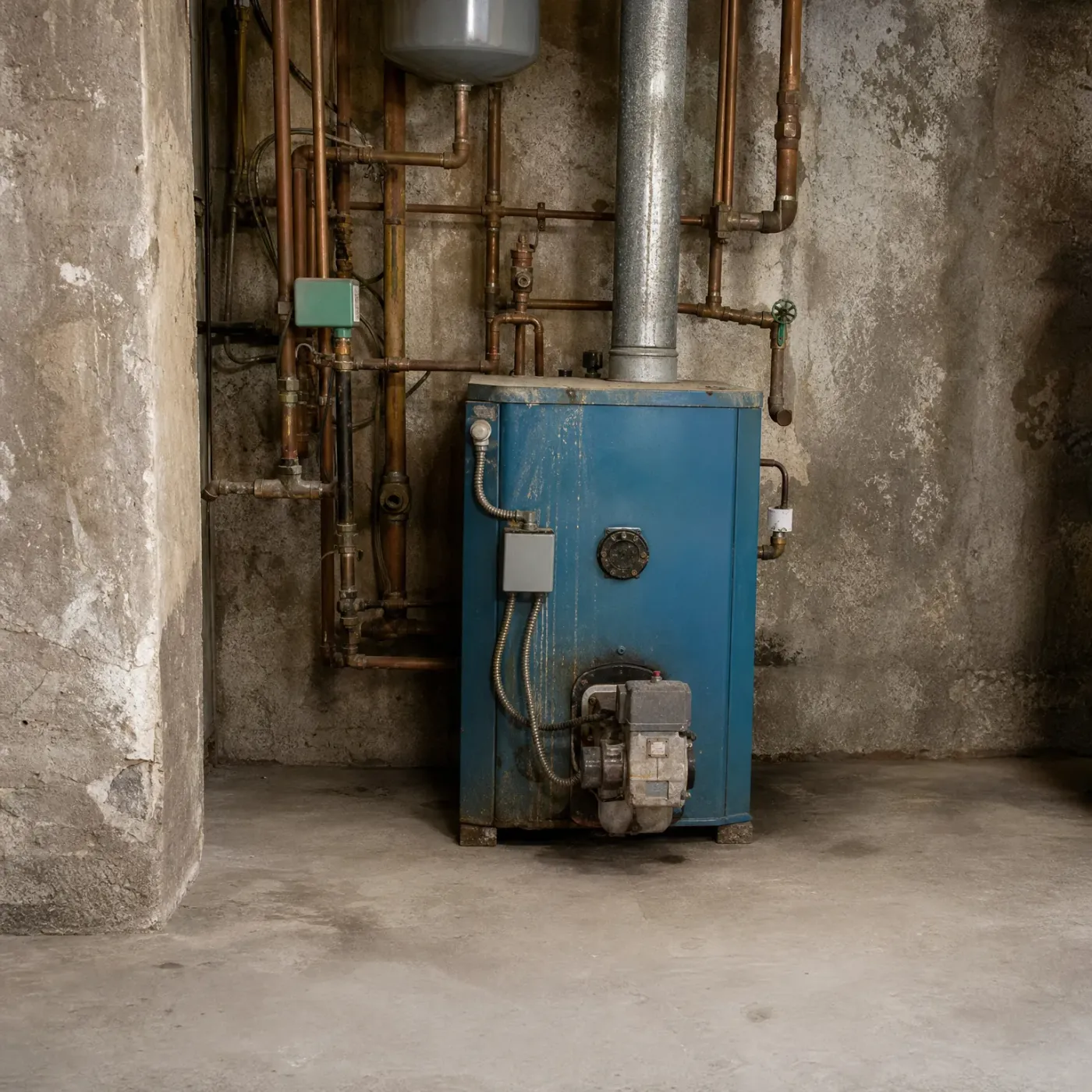
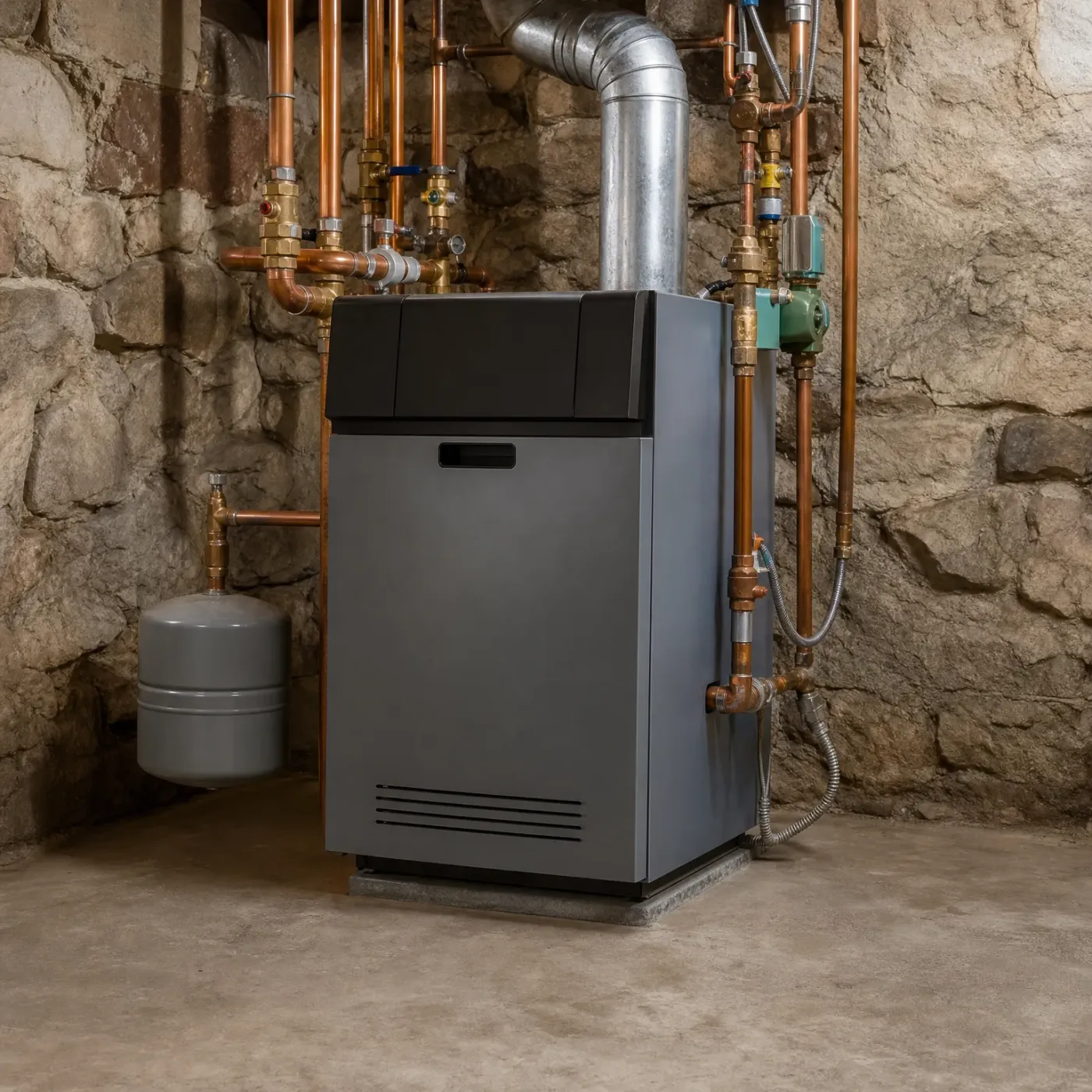
A boiler in Connecticut runs one of two ways, and the fix depends on which one you have. Hot water systems push heat through a loop with a circulator pump. That pump has to keep water moving through every branch of the loop, including whichever one happens to be farthest from the boiler. If the pump is weak or seized, it may still move enough water to heat the rooms close by and run out of push by the time it reaches the far end. Each hot water radiator also has two valves, one where water comes in and one where it leaves. Either can stick shut from mineral buildup or just age, and when that happens the radiator stays cold no matter what the pump is doing.
Steam works differently. There's no pump. Steam rises on its own pressure, and it only reaches a radiator if the air inside that radiator has somewhere to go. That's the job of the air vent at the far end, a small fitting that lets air hiss out as steam comes in. If it clogs or sticks shut, the air has nowhere to escape and the steam can't push in behind it. Steam radiators also depend on pitch. They're set slightly tilted on purpose, so the water that steam turns back into can drain back toward the pipe instead of pooling inside and blocking the next cycle.
Winter nights average 23°F statewide
At 23°F overnight, that one cold radiator is doing almost none of the work it should. The rest of the system is fighting harder to cover for it, and a loop that stays blocked through nights this cold is the kind of thing that leaves a pipe exposed to freezing a lot longer than it should be.
NOAA nClimDiv 1991-2020 county normals weighted by homes
Try it yourself or get it diagnosed
Bleed it yourself
- A radiator key opens the valve enough to let trapped air hiss out, and most people already own one or can find one at a hardware store.
- If air was the only problem, water should follow the hiss within a minute and the radiator starts heating again that same evening.
- It tells you nothing about a seized circulator pump, a stuck zone valve, or sludge sitting low in that loop.
- If the radiator is cold again within a few days, bleeding only bought you time and didn't fix what's actually wrong.
- On a steam system, the wrong move here can let water out instead of air, which is a different problem to clean up.
- You're guessing at what's wrong based on one symptom, and a cold radiator has more than one possible cause.
Get it looked at
- A local contractor who works on boilers all winter in Connecticut has seen this same cold radiator problem on dozens of other systems.
- They can tell you in one visit whether it's trapped air, a bad valve, a dead pump, or sludge, instead of you guessing through each one.
- You skip calling around, explaining the same symptoms more than once, and sorting through quotes from companies that don't know your house.
- One contractor means one visit and one person who actually sees the radiator, not a string of calls from companies bidding on a job sight unseen.
- If the fix needs parts or a drained loop, they're set up to do that in the same visit instead of you starting over with someone else.
- A cold radiator in a Connecticut winter can mean a frozen pipe if it sits blocked long enough, and that's not something to leave to a second guess.
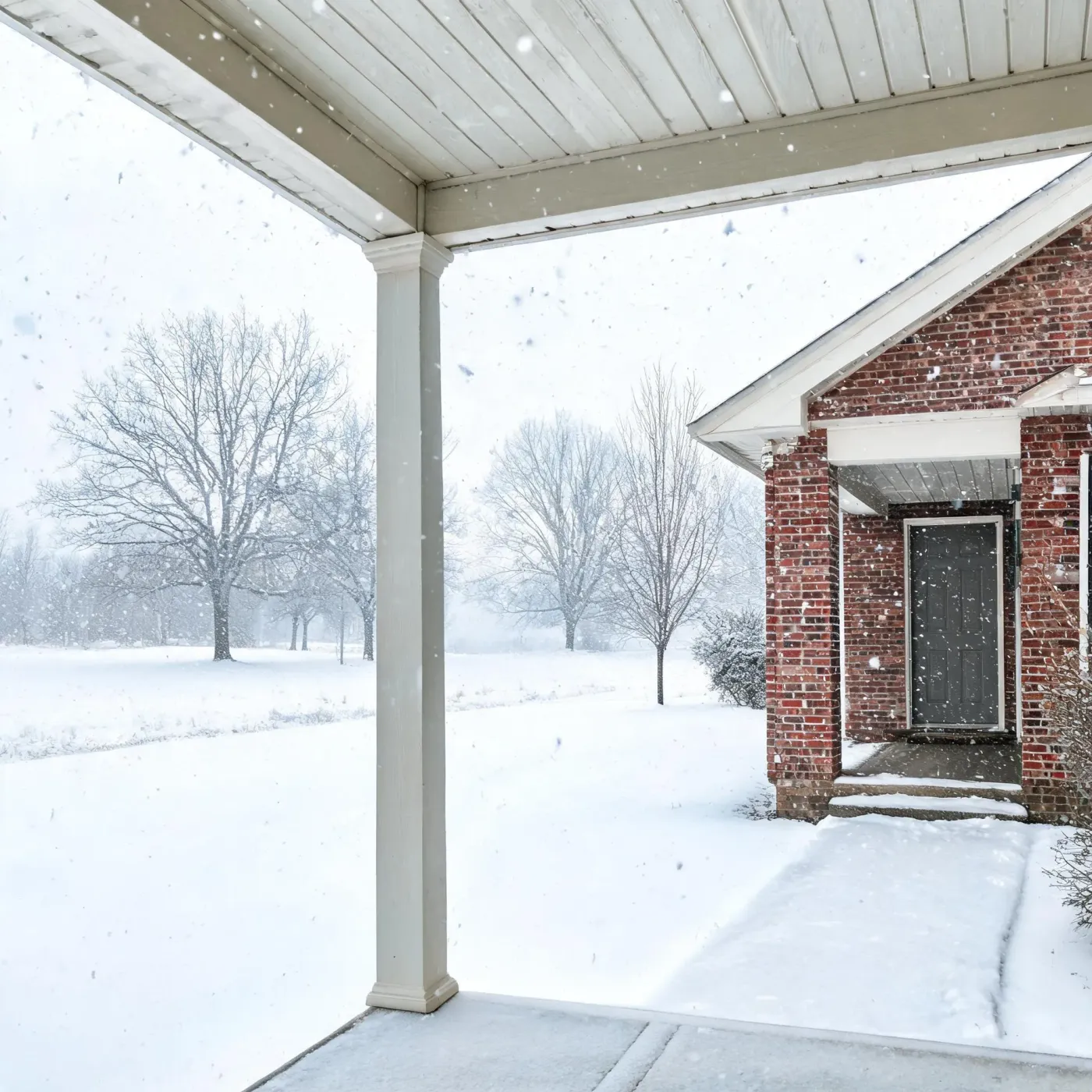
Statewide, winter nights average 23°F, according to NOAA climate data. At that temperature your boiler is running long, steady cycles most of the night to keep every radiator fed. A loop that's blocked by air or a stuck valve doesn't get its share of that heat, so the room it serves cools fastest right when it matters most, in the hours before dawn. You'll feel it as a room that's noticeably colder at 5 a.m. than at bedtime, even with the thermostat holding steady. The rest of the house will feel fine, which is what makes the one cold radiator easy to miss until someone's sitting right next to it.
NOAA nClimDiv 1991-2020 county normals weighted by homes
One cold radiator almost always comes down to trapped air, a stuck valve, or sludge sitting low in that loop, and bleeding it yourself answers the first of those in under a minute. If the hiss comes and water never follows, or the valve won't turn, or bleeding fixes it for a week and then it's cold again, the cause is past what a key can reach. A Connecticut boiler tech who works on these systems every winter has seen that same radiator problem in houses on your street, and usually knows within a few minutes of looking whether it's the valve, the pump, or sediment sitting in that line. You'd be working with one licensed local contractor on this, not fielding calls from three or four companies trying to win the job. That cold room isn't about your boiler failing. It's one loop not getting its share of water, and that's a narrow enough problem that it gets fixed, not managed.
Explain it one time