
Running the way it should
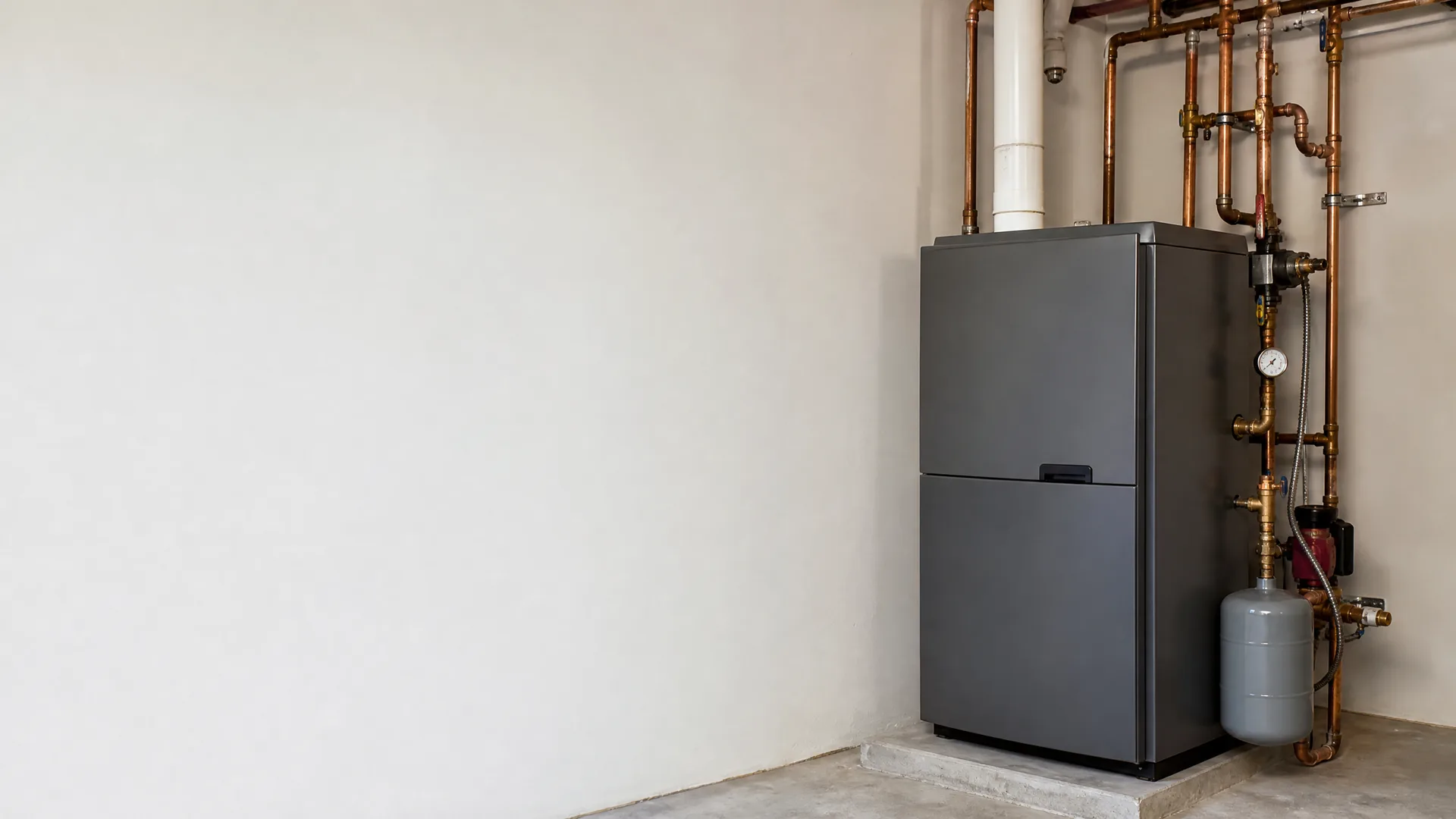
A boiler like this holds steady pressure and even heat through the pipes. The pump moves water without strain, the expansion tank keeps pace with it, and the hoses and fittings stay dry. Nothing here is asking to shut off.
A boiler that shuts off partway through a cycle usually means something is stopping it on purpose. It's not random, and it's rarely a mystery once someone looks at the right parts. In Connecticut, where a boiler runs hard from late fall into early spring, a system that keeps cutting out is one you can't trust to get you through a cold night.
Most boilers that shut off mid cycle are tripped by a safety switch doing its job. Low water pressure is the most common cause. If pressure drops below what the system needs, the boiler locks out rather than run dry and damage the heat exchanger. A faulty pressure switch can also cut power even when pressure is fine, and a flame sensor that's dirty or failing will read no flame and shut the gas valve as a precaution. With Connecticut winters pushing a boiler for months at a time, any one of these can show up more as the system logs more hours. None of these are safe to ignore, since each one points to the boiler protecting itself from a bigger problem.
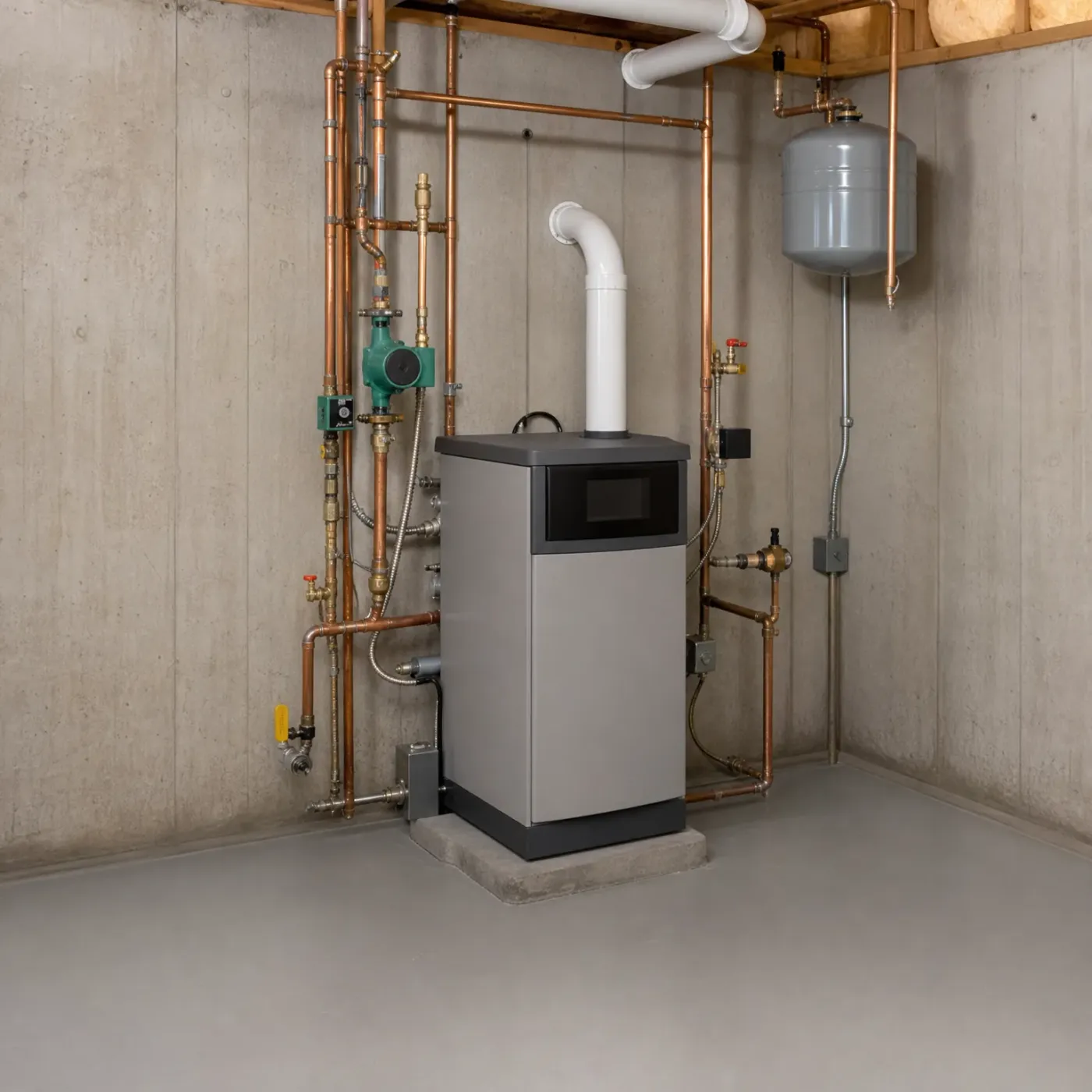
A boiler like this holds steady pressure and even heat through the pipes. The pump moves water without strain, the expansion tank keeps pace with it, and the hoses and fittings stay dry. Nothing here is asking to shut off.
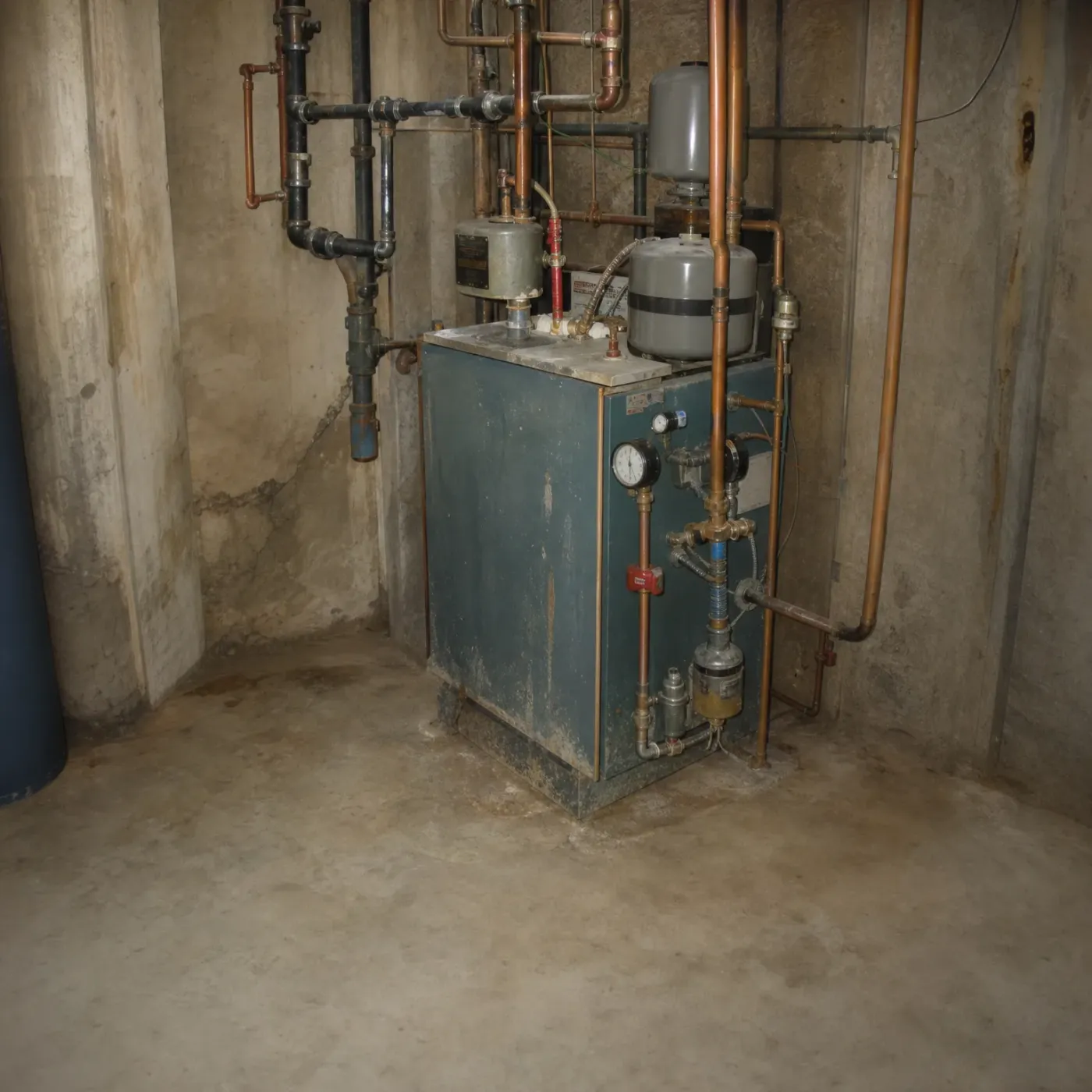
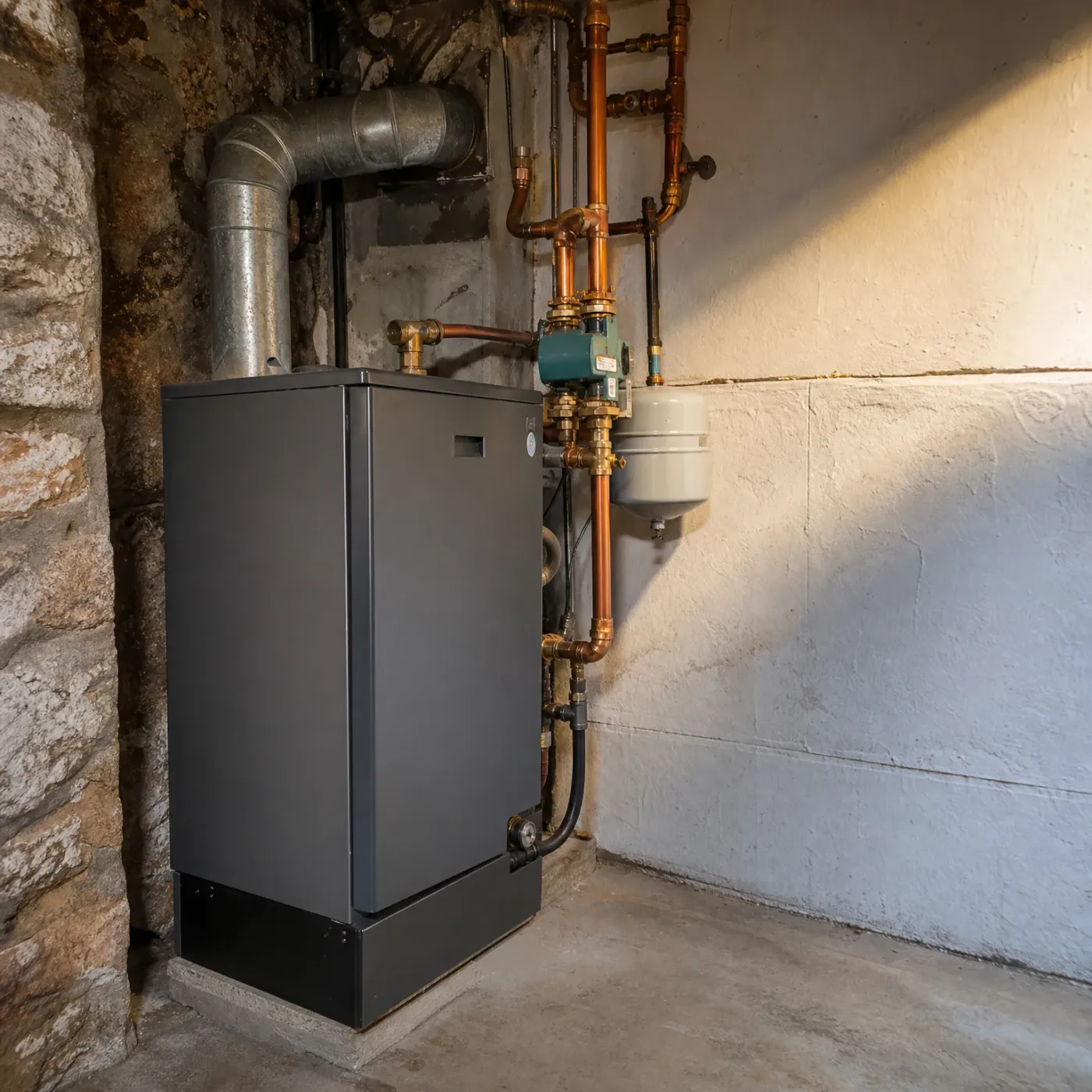
An old cast-iron boiler like this has had decades to build up scale and rust inside. The pressure gauge might read low or climb too high, and valves that have sat for years can stick or leak. Any of that can cut the cycle short.




Each of these is a switch doing its job, and each one fails in its own particular way. The low water cutoff sits near the bottom of the boiler and reads pressure as a stand-in for water level. When it trips, the question is whether water is actually low or whether the cutoff itself has gotten stuck from sediment and is reading wrong. The flame sensor is a thin rod sitting right in the burner flame. It has to see a current pass through that flame within a few seconds of ignition, and if soot has coated the tip, it won't see it even though the flame is burning fine, so the gas valve closes. A high limit switch tripping usually isn't about the switch. It's about the pump behind it not circulating water fast enough to carry the heat away, so the water sitting near the heat exchanger gets hotter than the switch allows. The pressure relief valve has one job, and it does that job correctly every time it opens, which means something upstream, often the expansion tank, pushed the pressure up to where the valve had to act. The aquastat is the one giving the orders. If it's reading the water temperature wrong, every other part downstream is reacting to bad information. None of these parts are guessing. They're each watching one specific thing and reacting the same way whenever they see it.
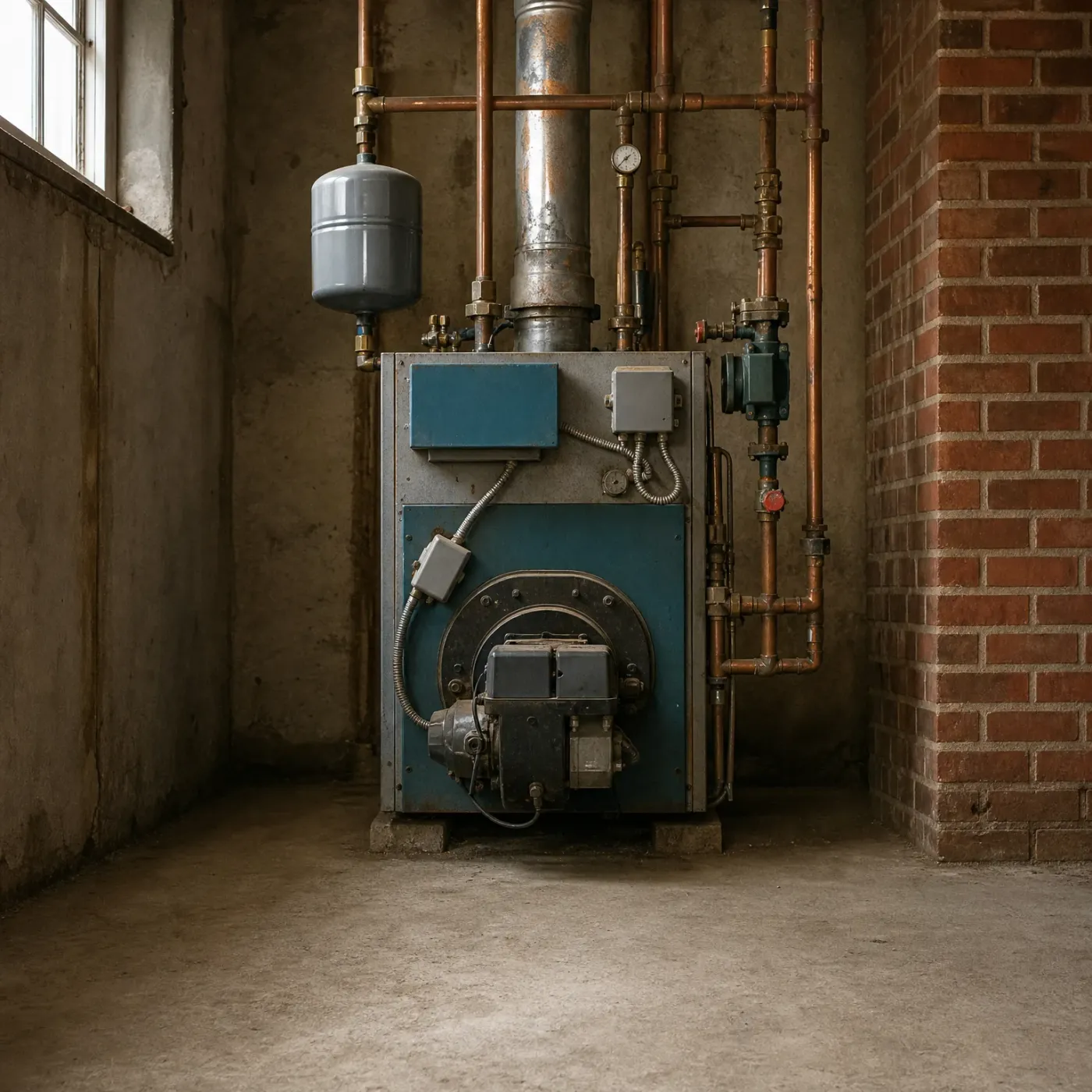
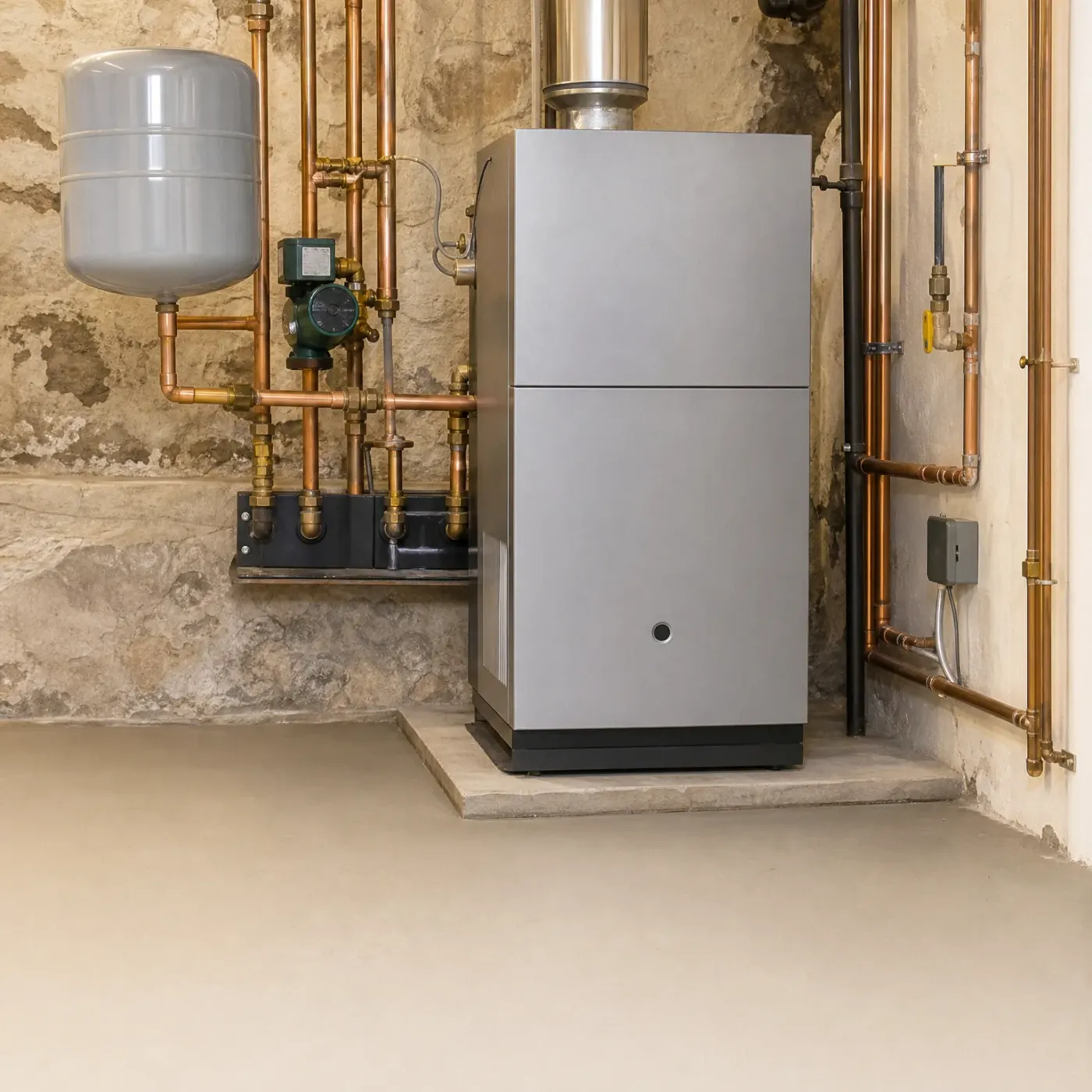
A boiler that keeps cutting off wears on more than your patience. Every short cycle is gas or oil spent without the heat to show for it, and with Connecticut power and fuel costs what they are, that adds up fast over a winter. Left alone, whatever part is tripping the shutoff tends to trip it more often, not less, until a cold morning turns into a cold week. Figuring out which safety is doing the shutting off, the low water cutoff, the flame sensor, the high limit switch, takes someone who works on boilers like yours regularly, not a guess. A local contractor who services this equipment all season knows which of these tends to fail first in homes around here, and checks that before anything else. Requesting a match puts your boiler in front of one contractor suited to the job, not a handful competing for your callback, so the person who reaches out already has an idea what they're walking into.
A boiler that keeps losing pressure is usually feeding a leak somewhere, even a small one. Check the gauge on the front of the unit. Anything under 12 psi when the system is cold is low, and a boiler running low will trip its cutoff and shut down rather than keep heating with too little water in it. The leak might be a fitting, a valve, or the expansion tank itself losing its charge. None of those fix themselves. A boiler that needs water added every few weeks has a leak feeding that loss, and the cutoff will keep doing its job until someone finds where the water is going.
Each time the boiler fires, stops, and fires again within minutes, it burns fuel getting the heat exchanger back up to temperature without ever settling into steady heat. That start up draw is where gas or oil gets spent fastest, and Connecticut's fuel and power rates mean those restarts show up on the bill quickly. A thermostat sensing wrong, a limit switch tripping early, or a clogged nozzle can all cause this pattern, and each one has a different fix. A local contractor who services boilers through a Connecticut winter sees these patterns often enough to know which part is behind the one in your house.
At 23°F, a boiler that's cutting off on a high limit switch or a pressure drop is working hard to recover each time it restarts, and those restarts show up on the gas bill fast on a cold night like that.
NOAA nClimDiv 1991-2020 county normals weighted by homes
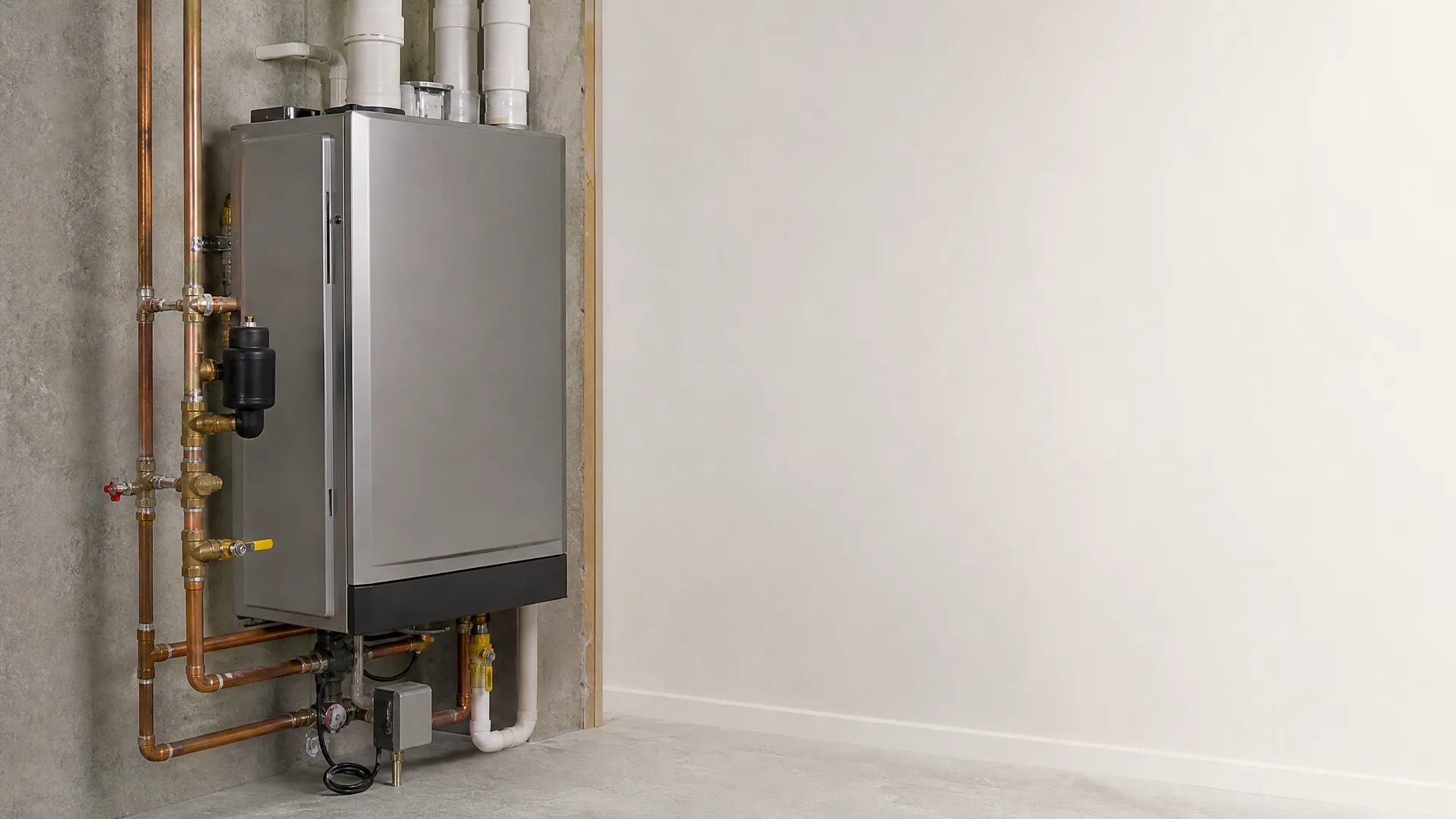
Rooms heat unevenly, or a radiator that used to get hot stays lukewarm. The thermostat calls for heat and the boiler starts, runs a few minutes, and quits before the house catches up. You might hear it click on and off several times in an hour instead of running one steady stretch. If people in the house are layering on sweaters indoors or the upstairs never quite warms, that's the short cycling showing up as comfort you can feel, not just a number on a gauge.
A boiler that keeps tripping and restarting is working its igniter, gas valve, and pump harder than a boiler that runs a normal cycle and shuts off on its own. Parts rated for a certain number of start-ups wear toward that number faster. If the cause is a pressure drop, the water leaking out has to be going somewhere, and a slow leak around a fitting or valve can sit unnoticed until it's worse. Catching the shutoff early is cheaper than catching it after something fails outright.
A boiler shutting off mid cycle is almost always one part doing its job: a low water cutoff, a flame sensor, a high limit switch, or a pressure drop telling the burner something isn't right. Finding which one takes someone who's inside Connecticut boilers all winter, not just reading a gauge once. A local contractor who services this equipment every season has usually seen the exact pattern you're describing and knows where to look first. When you request a match through this page, you're connected with one licensed contractor near you, not a handful competing for the job, so you're not stuck fielding calls from companies that don't know your street or your system. That contractor reaches out directly. You already know the boiler is telling you something. The next step is getting someone who can read it correctly and fix what's actually failing, before another cold night runs up the bill for heat you never got.
Your request goes to one pro, not a list of companies.
Sending the form costs nothing.