Quiet and running right
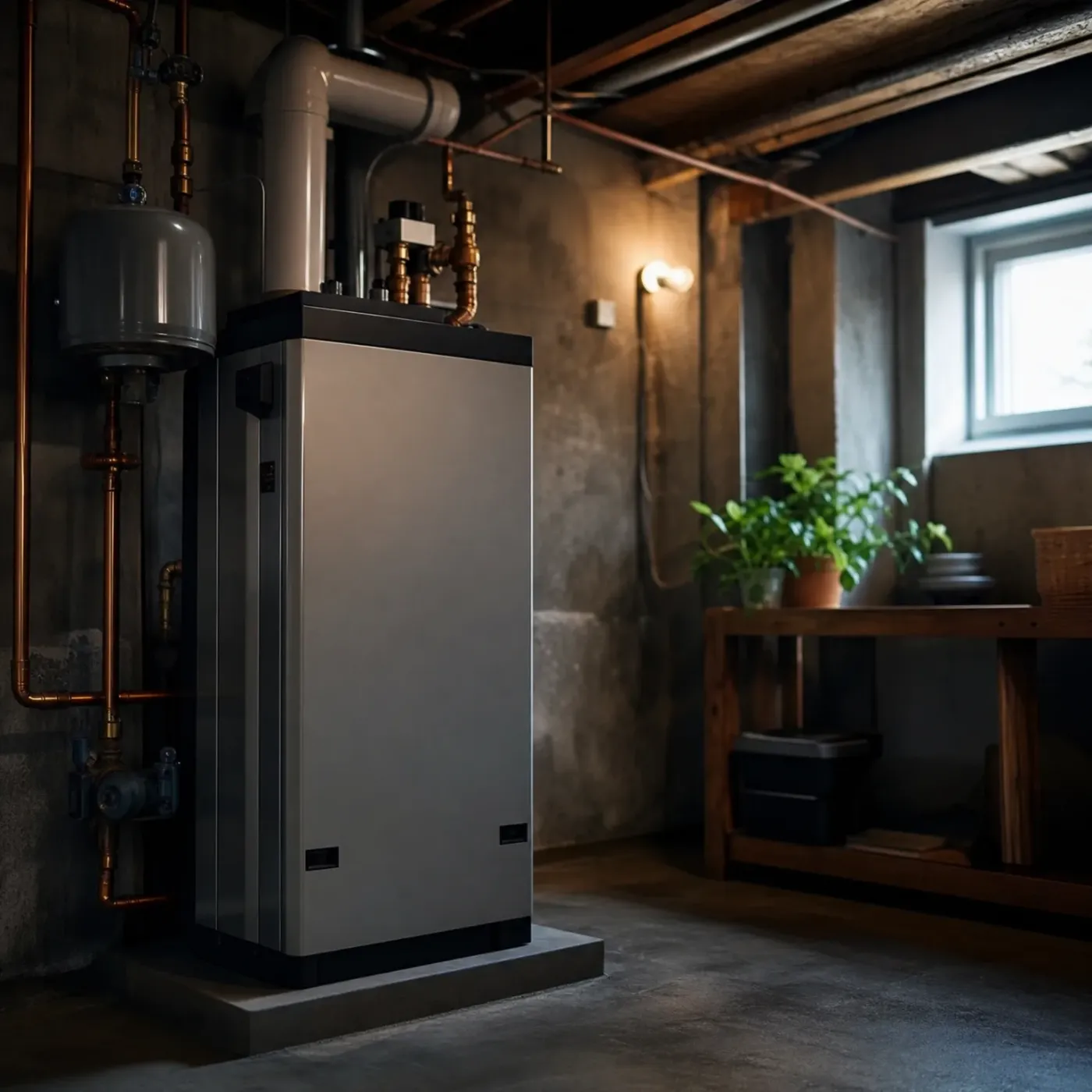
This is what a boiler should look like doing its job. The pipes are clean, the pitch is set, and the expansion tank is doing its work absorbing pressure instead of fighting it. No bang, just heat moving through the house.
A boiler pro near you
That banging is usually water hammer or steam hitting cold water in the pipes, and the fix depends on what's actually going on inside your boiler. This page gets into what causes the noise and what it means for your system. Answering that for your boiler takes a look in person, so skip the search and get matched with a contractor who can trace it down.
Match me with a proThat banging usually means water hitting steam, or trapped air moving where it shouldn't. If you have a steam boiler, the knocking is often water hammer: condensate collects in a low spot in the pipes or in a sagging return line, and when steam comes through, it slams into that water and the pipe shakes. A boiler pitched wrong, or pipes that have settled over the years, make this worse. If you have a hot water boiler, the noise is more likely air trapped in a pipe or stuck in the circulator, or mineral buildup rattling around the heat exchanger. Low water level can cause it too, on either type. None of this is harmless noise to live with all winter. Water hammer stresses joints and valves, and a heat exchanger coated in scale has to work harder to heat your home, which shows up on your electric bill given what Connecticut charges per kilowatt hour. Worth looking at before it gets worse.


A steam system is supposed to carry condensate back downhill to the boiler. If a return line sags or the pitch is off, water sits where it shouldn't, and steam slamming into that pooled water is what you hear. Low water in the boiler does something similar from the inside: the burner heats a section of the heat exchanger that's gone dry, and the bang happens the moment water finally reaches that hot metal. Hot water systems bang for different reasons. Air trapped at a high point in the loop will knock around on startup, especially after the system has been off. Sediment sitting on the heat exchanger changes how evenly it heats, and that uneven heating can pop or crack rather than run quiet. A stuck float or a worn main vent throws off how wet or dry a steam system runs, and that shifts the noise too. None of these sound the same once you know what to listen for, and where the bang happens, the returns, the vent, or the exchanger itself, is usually the first thing a tech checks.
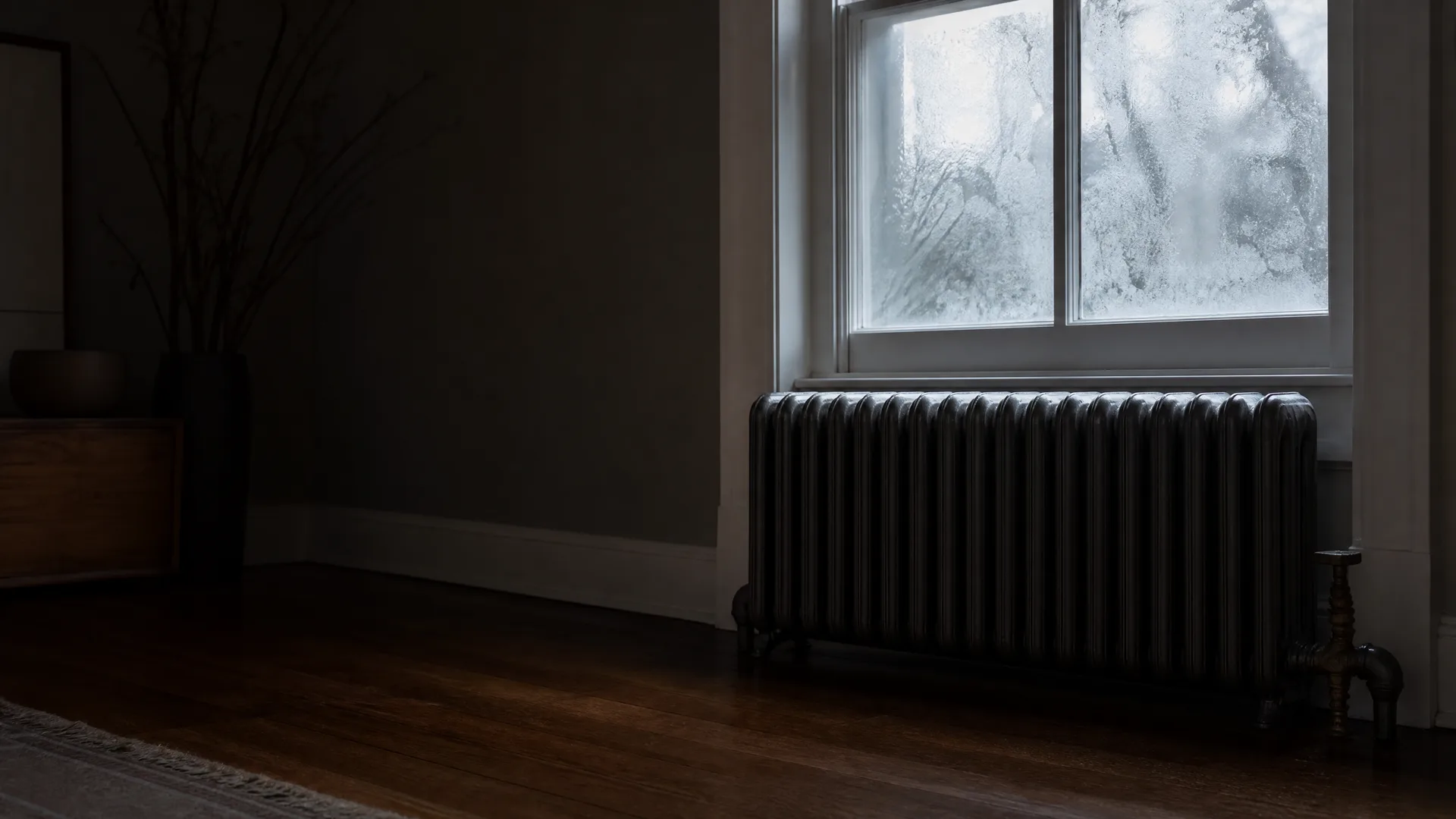
You're up before the thermostat kicks on, and the living room is still gray with early light. Frost has crept across the inside of the window glass above the radiator, a thin lace of it in the corners. Then the boiler fires somewhere below, and it comes up through the floor: one hard bang, then another, loud enough that you glance at the radiator like it might move. The cast iron ticks as it starts to warm. Outside, the thermometer hasn't cleared twenty degrees. You stand there a second, waiting to see if it happens again before you decide whether this is something to deal with now or something to watch.
A banging boiler in a Connecticut winter is not something to sit on. The piping and the pitch behind that noise are things you can't see from the thermostat, and guessing wrong about low water or a bad return line can mean a cracked heat exchanger instead of a bled radiator. With power costs here among the highest in the country, a boiler working harder than it should to push steam past a sediment pocket or a sagging pipe is costing you every day it keeps banging. Finding someone who works on steam and hot water systems, not just furnaces, usually means calling around, explaining the noise more than once, and sorting through quotes that don't tell you much. That's the part worth skipping. Get matched with a contractor who knows this kind of system, and let them take it from there while you get back to the rest of your morning.
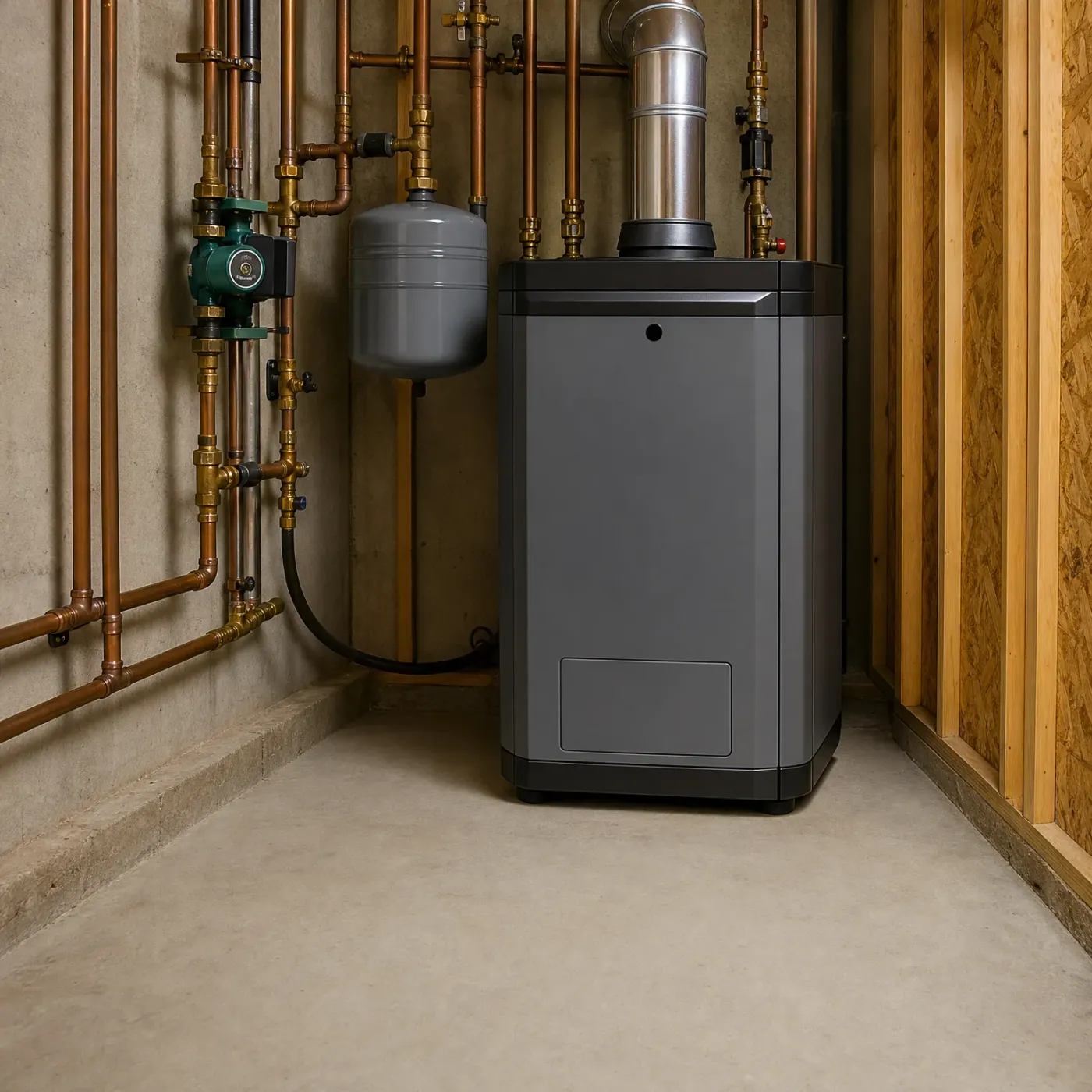
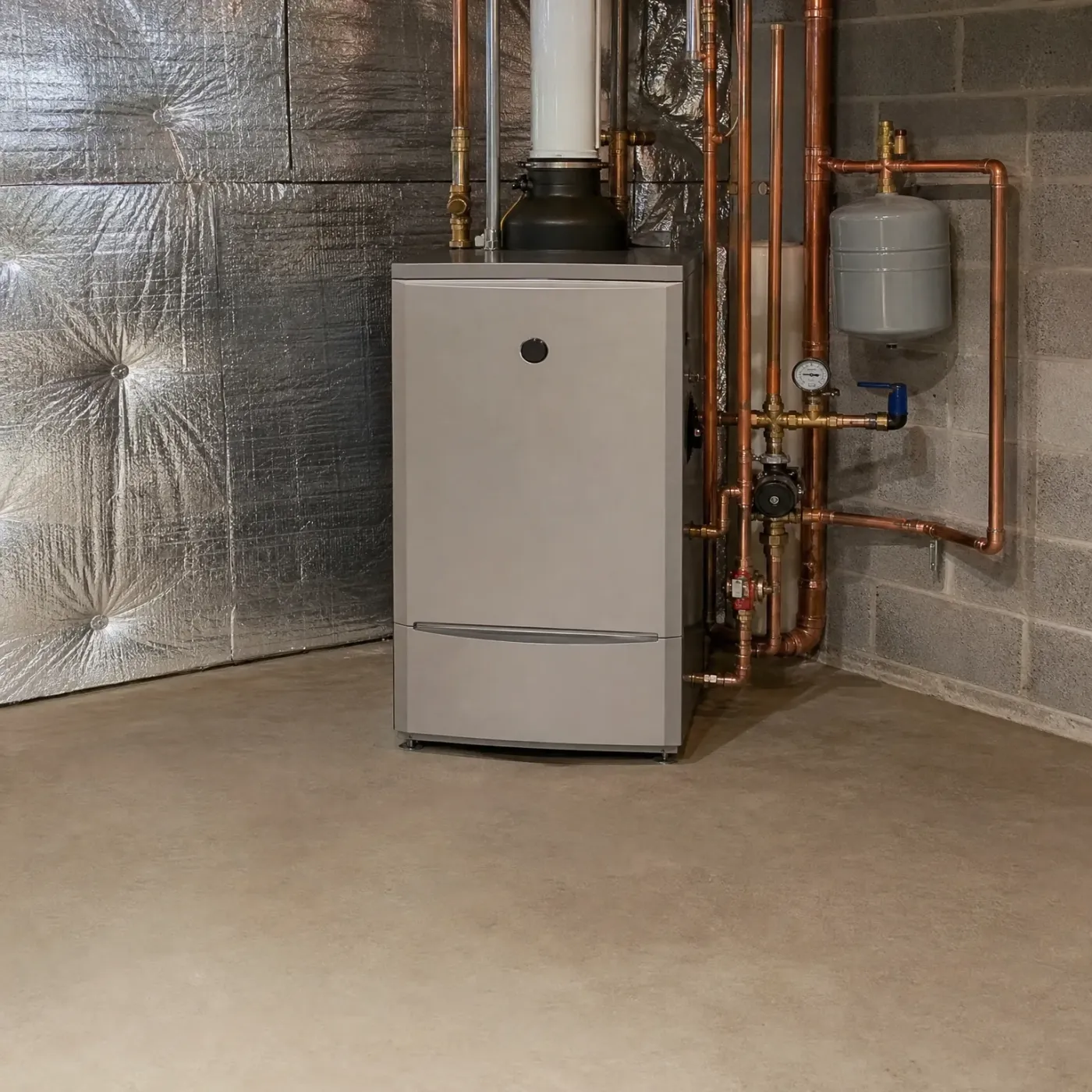
This is what a boiler should look like doing its job. The pipes are clean, the pitch is set, and the expansion tank is doing its work absorbing pressure instead of fighting it. No bang, just heat moving through the house.
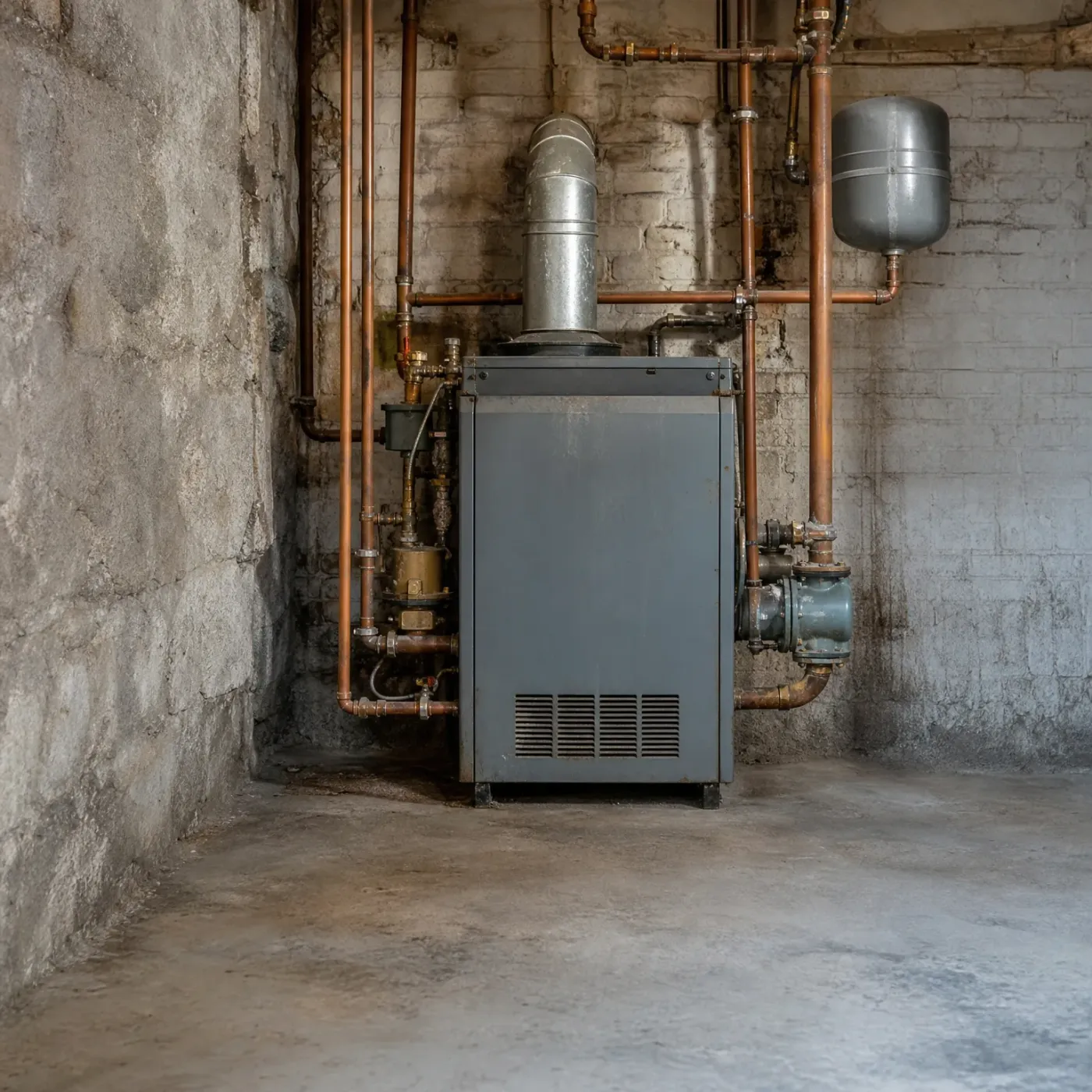
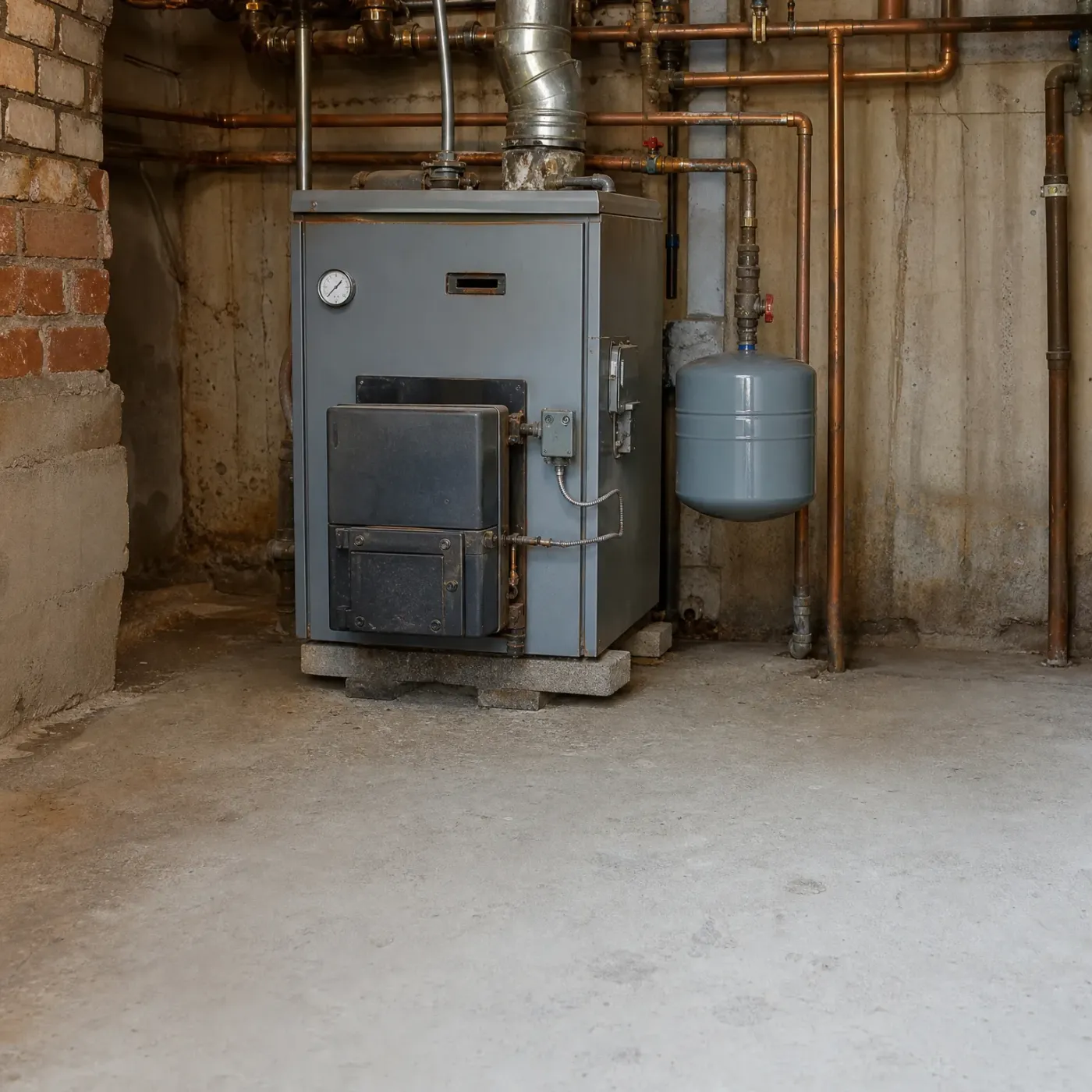
Cast iron boilers like this one run for decades, but the piping around them takes the wear. Sediment builds in low spots, valves seize, and a galvanized flue like that one corrodes from the inside. That's where the banging starts.


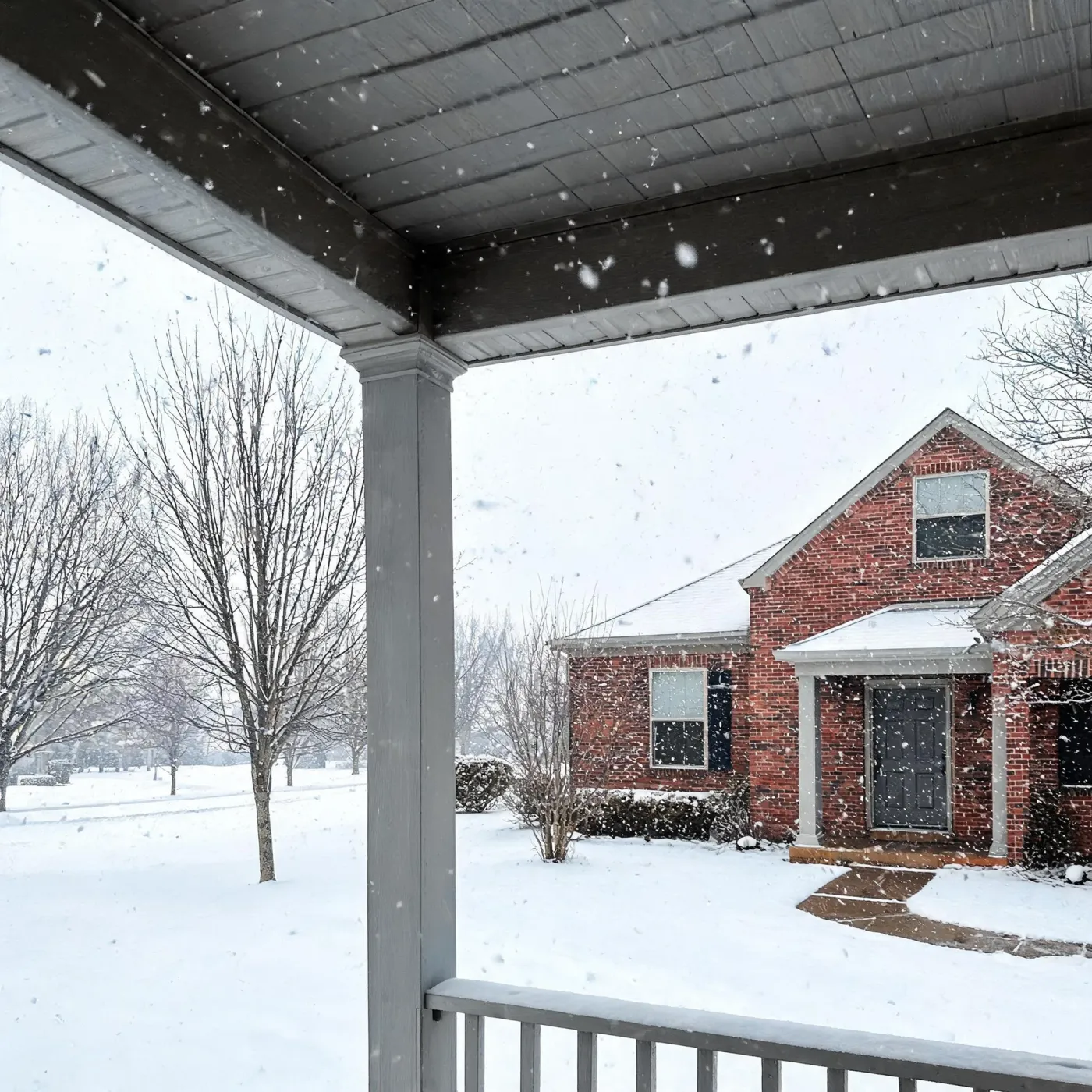
Connecticut winter nights average 23°F statewide, per NOAA. That's cold enough that your boiler is cycling on and off most of the night to hold the house steady, and every cycle moves condensate through the pipes and expands the iron as it heats up. A system with a bad pitch or a low-water problem will bang more on a night like that, not less, because there's more water moving and more metal expanding. If the noise gets worse on the coldest nights and quiets down when it warms up some, that points toward water hammer or a heat exchanger that's dry-firing somewhere, rather than something loose and harmless.
NOAA nClimDiv 1991-2020 county normals weighted by homes




At 23°F, your boiler is firing on and off for hours at a stretch, not just once or twice. Each cycle pushes condensate through the pipes and heats the iron again. A pitch that's slightly off or a low-water condition gets exposed night after night at that pace.
NOAA nClimDiv 1991-2020 county normals weighted by homes
The burner fires and heats water or makes steam in the boiler.
Steam or hot water pushes out through the supply pipes.
Condensate collects in a low spot or a sagging return line.
Steam races through the pipe and hits that pooled water.

A banging boiler is water hitting steam or air moving through a pipe that was never pitched to drain it. That's true whether it happens once a week or every time the burner fires on a cold night. The pipes, the pitch, and the water level in your own system are what decide which one it is, and none of that shows up by listening from the next room.
Finding a contractor who works on boilers, checking they're licensed, and explaining the noise over the phone before anyone's even looked at the pipes is its own chore. Submitting through this page skips that part. You get matched with a contractor who handles boiler repair in Connecticut, and they reach out to you directly to look at what's actually going on behind the wall.

Get the right pro for your boiler