One cold radiator
A single stuck valve or air pocket is a smaller job, and the rest of the house keeps its heat while you sort out that one room.
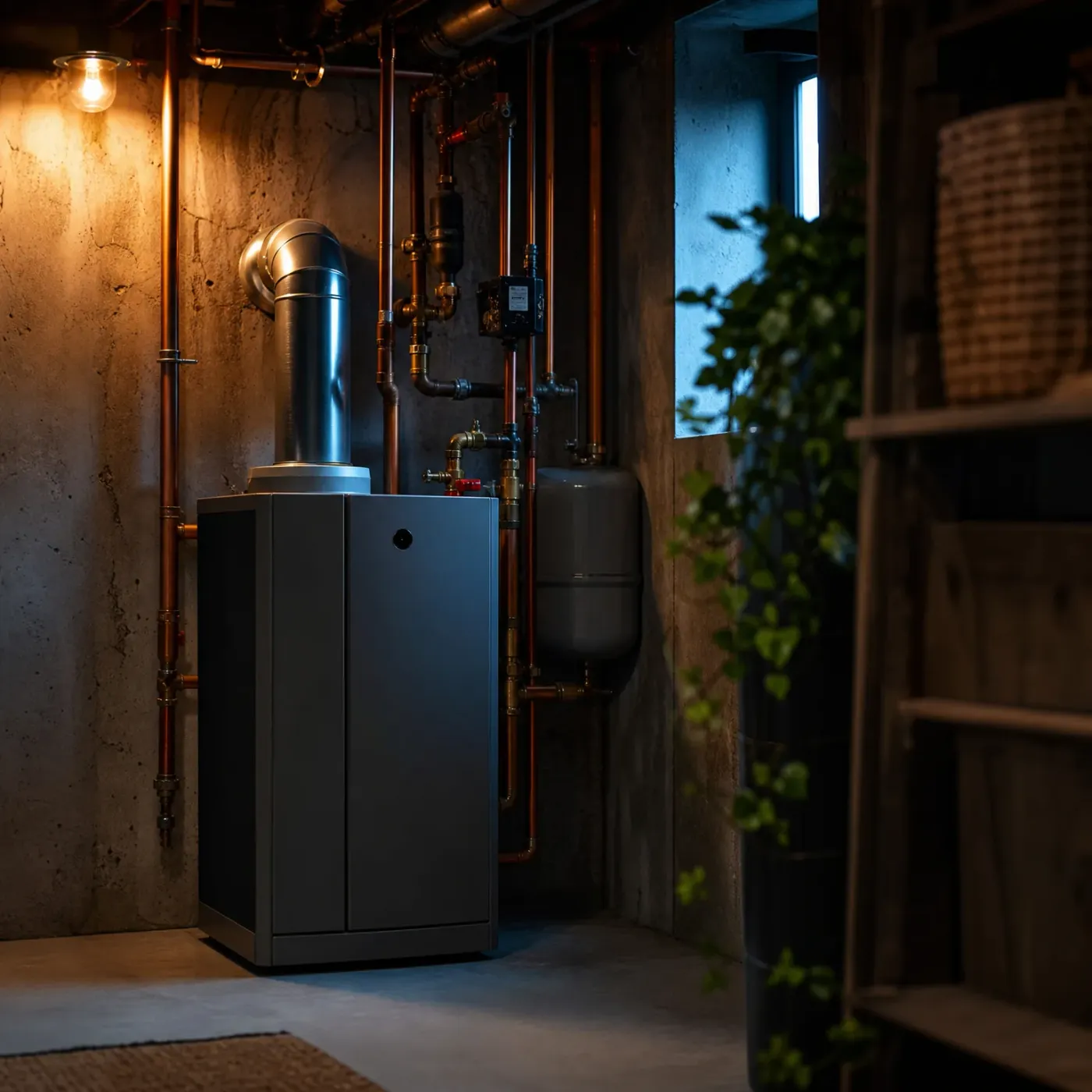
A pro who works on boilers
Cold radiators with a boiler that runs fine usually come down to trapped air, a stuck valve, or water that isn't circulating the way it should. This page walks through what causes it and what a Connecticut winter does to a boiler system that isn't moving heat where it needs to go. Skip the calls to find someone who can look at it.
Match me with a proA radiator that stays cold while the boiler runs is usually blocked somewhere between the two, not broken at the source. Air trapped in the radiator sits at the top and pushes the water below it, so the bottom gets warm and the top stays cold, or the whole thing never heats at all. A valve that's stuck or closed off stops water from getting in at all. And if the circulator pump is weak or the system has lost pressure, water may be moving too slowly to carry heat where it needs to go. In a Connecticut winter, a radiator that's not pulling its weight means another room runs the heat harder to make up for it, and your bill carries that cost for as long as the problem sits there. The fix depends on which of these it is, and that's worth knowing before anyone touches the system.
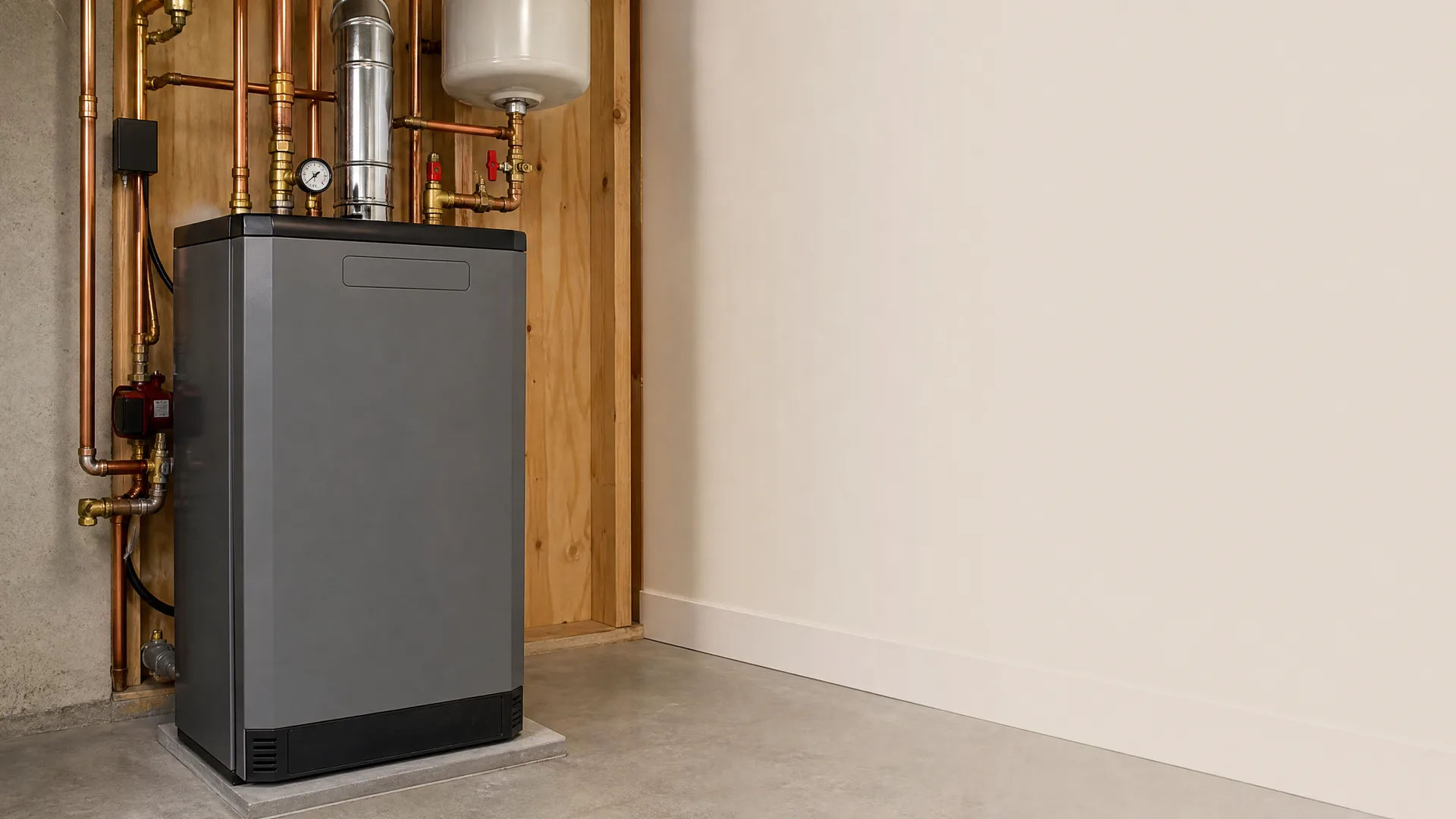
Each radiator has a bleed valve, usually at one end near the top. Opening it with a key lets trapped air hiss out until water starts to spit, then you close it. If one radiator is cold and the rest are warm, that one needs bleeding. If every radiator in the house is cold at the top, the air is probably trapped in a header or main line further up, not in each unit.
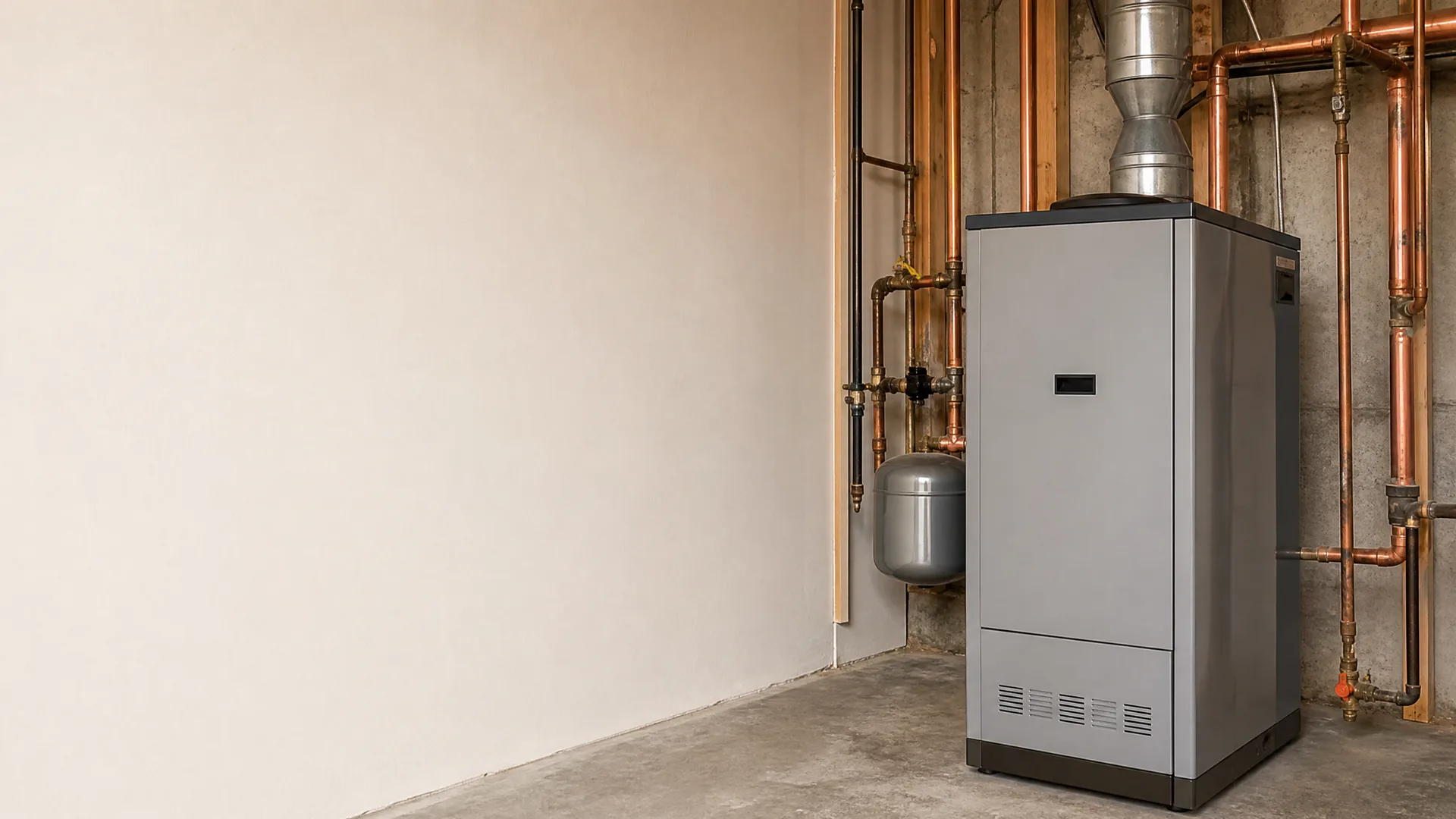
A thermostatic radiator valve can seize open or shut, usually at the end of a long summer when it hasn't moved in months. A valve stuck shut keeps water from ever reaching the radiator, so it stays cold no matter how long the boiler runs. Working the valve stem back and forth by hand sometimes frees it. If it won't budge, the valve itself has failed and water still can't get through.
You've got one room that never gets warm no matter how long the boiler runs, while every other radiator in the house heats up fine. It's easy to assume that one unit is just old or failing, but a single cold radiator in an otherwise working system almost always points to something local to that radiator, not a problem with the boiler itself.
Every radiator fills with air over time as the system heats and cools, and that air has to be let out through the bleed valve or it sits at the top and blocks the water behind it. If only one radiator is cold, that's usually the one that needs bleeding, not the whole system. The other possibility is the valve at the base, either the inlet valve or the thermostatic radiator valve if yours has one. If it's been closed, partly closed, or stuck, water can't get in no matter how hard the boiler is working. Both are specific to that radiator, which is why the rest of the house heats up normally while that one room stays cold.




A boiler that won't bleed out, a zone valve that's stuck, or a circulator pump that's quit moving water are all jobs that call for someone to open up the system, not just bleed a valve with a key. In a Connecticut January that's not something to sit on. A cold radiator in one room means that room is losing ground against the cold while the rest of the house is fine, and the boiler keeps firing to make up for it, so the bill climbs even as the house stays uneven. Finding someone for this usually means calling a few heating companies, describing the same cold radiator and the same boiler three or four times, then waiting to see who actually shows up when they say they will. Handing that off means one contractor who works on boiler systems gets your situation and follows up with you directly, so the only thing left is getting the heat moving again before the next cold stretch sets in.
You bleed the radiator and it heats fine for a few weeks, then goes cold again at the top. That's a sign air keeps getting into the system, not that the bleeding failed. Something is letting air in each time it cools and refills.
A radiator that's cold at the bottom instead of the top isn't an air problem at all. That points to sludge or mineral buildup sitting in the radiator itself, and a bleed valve won't touch it. That one usually needs the radiator flushed out.
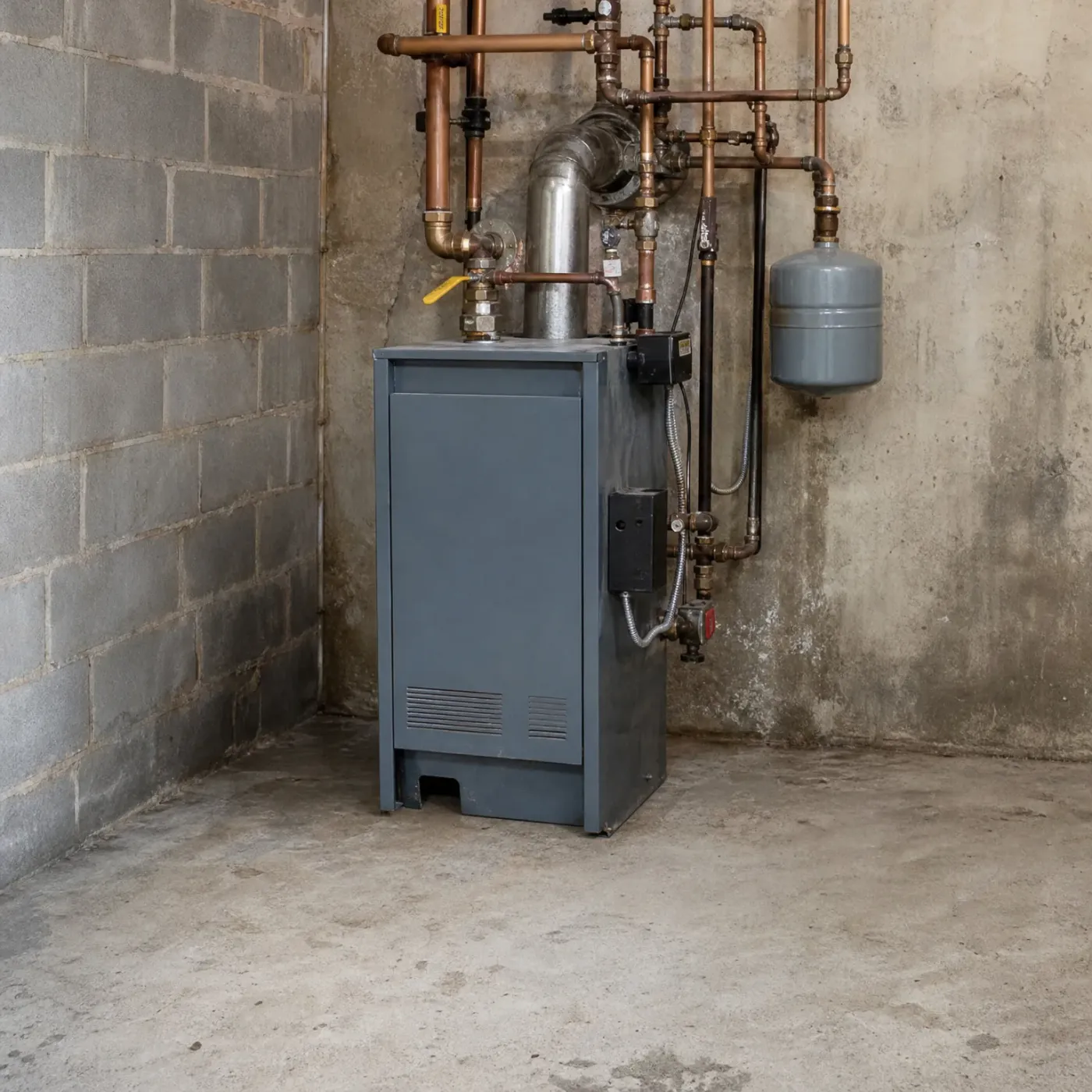
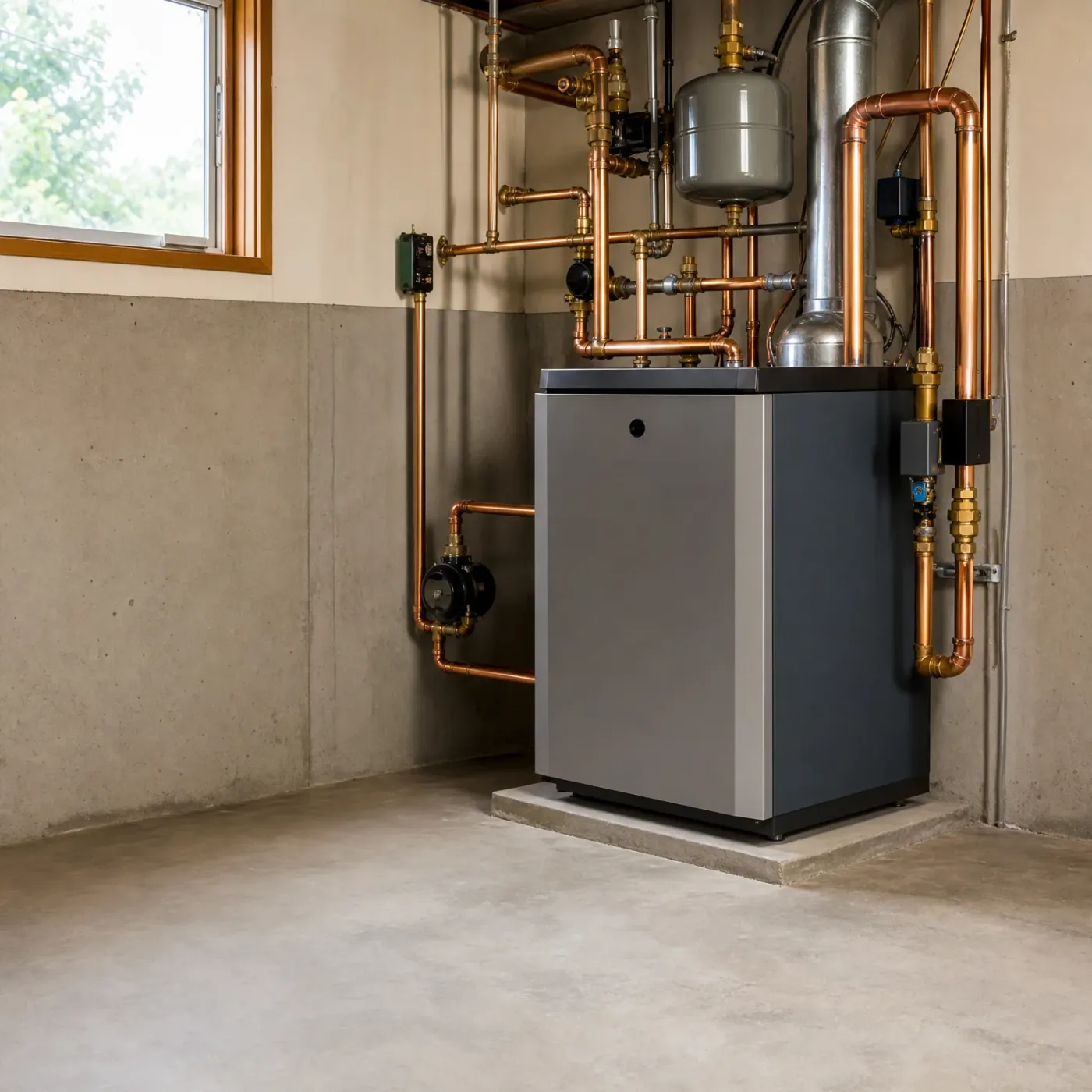
A cold radiator rarely stays a small problem. The room it's in falls behind on nights when the temperature outside drops into the teens, and the people who use that room, a kid, a grandparent, whoever's home during the day, end up working around it instead of saying something. Meanwhile the boiler keeps firing because the thermostat still reads cold, so you're paying for heat that never makes it into the room. In Connecticut, where power already costs more than most of the country, that's not a small add-on to the bill. A stuck zone valve or a pump that's quit moving water doesn't fix itself over a winter. It tends to sit there getting worse, and the radiator stays cold until something is done about it. The worst case isn't the radiator at all. It's the pipe behind a wall that never warms because the room around it never does, and a frozen pipe costs far more than any radiator repair would have.


A single stuck valve or air pocket is a smaller job, and the rest of the house keeps its heat while you sort out that one room.
Water isn't circulating at all, which points to the pump or the boiler's near piping, and every room is losing ground at once.
At 23°F overnight, a bedroom with one cold radiator isn't just uncomfortable, it's losing heat faster than the rest of the house all night long. Water that should be moving through every room needs to actually get there before the cold sets in.
NOAA nClimDiv 1991-2020 county normals weighted by homes

Trapped air, a stuck valve, or a pump that isn't moving water the way it should. Whichever one it is in your house, it's a mechanical problem with a mechanical fix, not a radiator that's worn out or a room you have to write off for the winter.
Finding the right person to look at it is its own chore when the room's already cold and you've got someone at home who feels it. You'd be calling around, describing the same cold radiator two or three times, waiting on quotes you then have to compare. Answer a few questions here and a contractor who takes on boiler work in your area gets in touch with you directly, so that part of it is off your plate.

Skip searching for a boiler pro and answer a few questions instead.