Tell us about the job
Takes about a minute. No obligation.
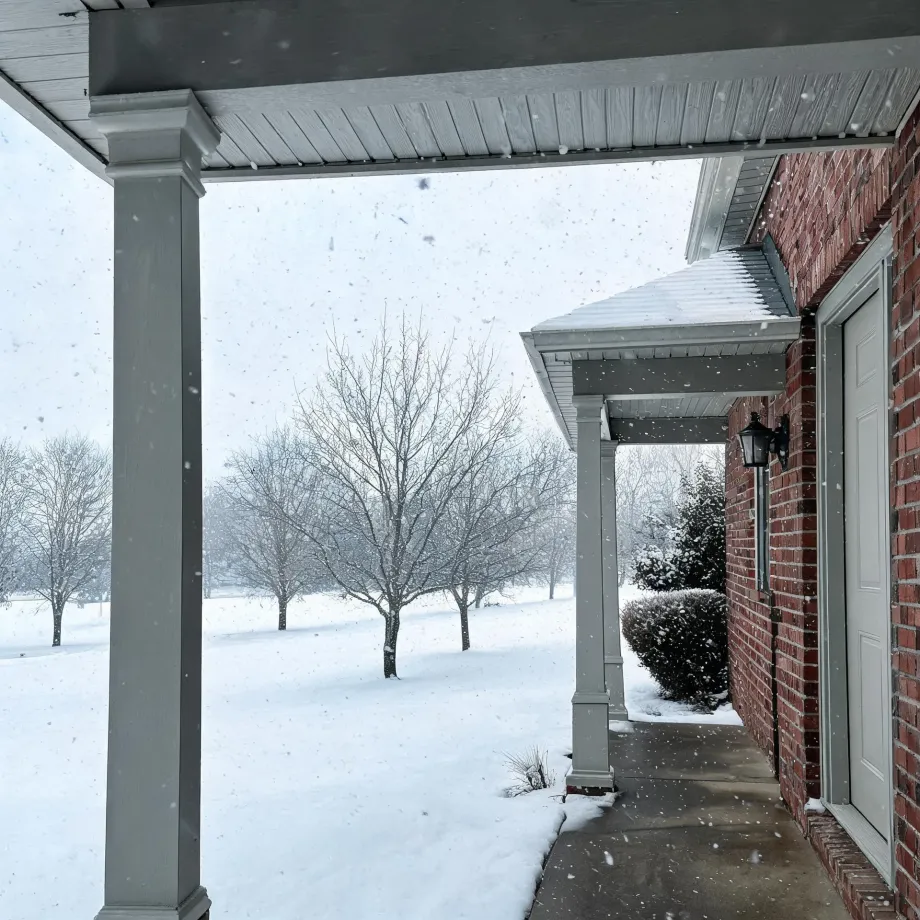
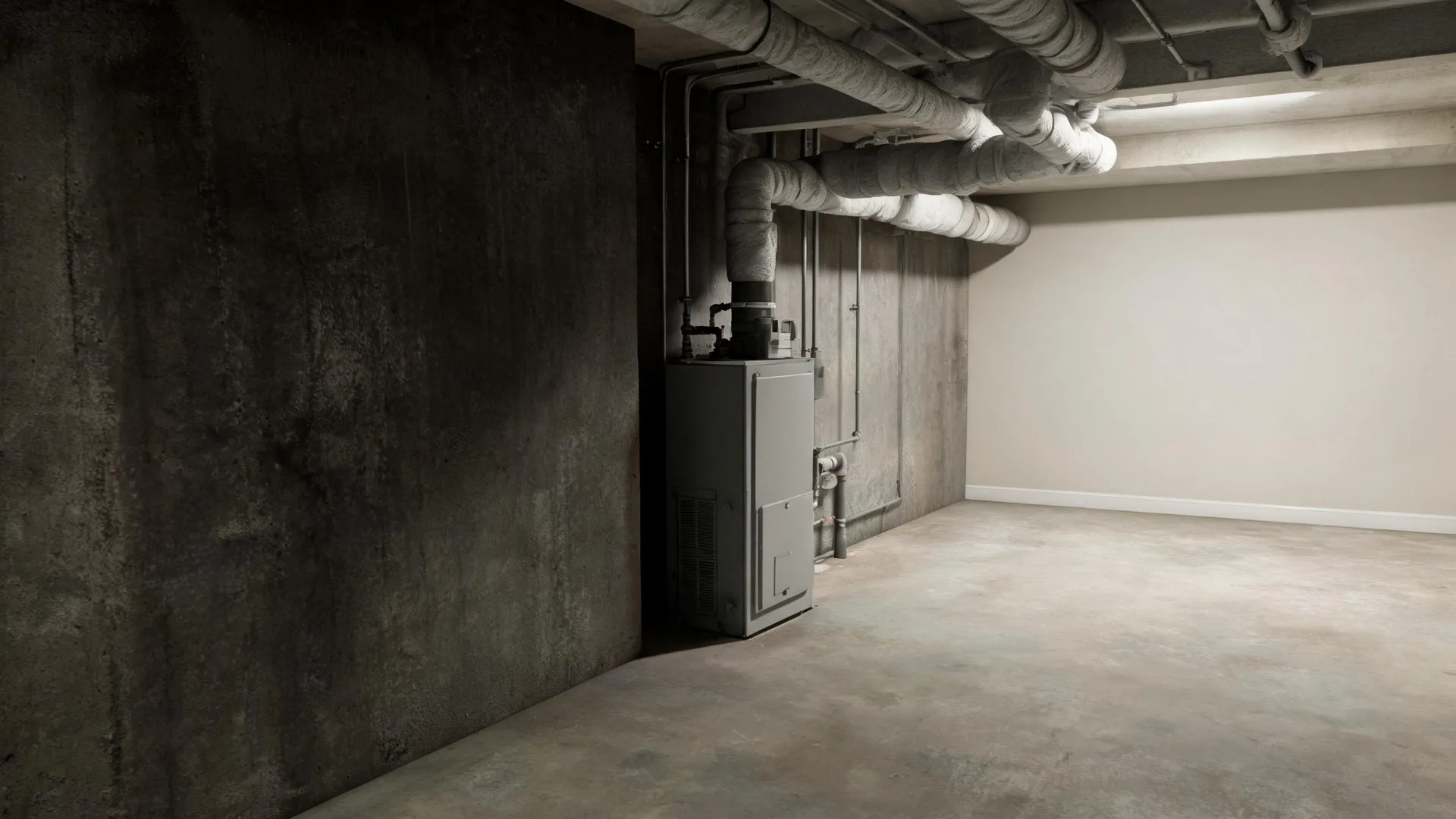
Sizing a boiler for Capitol Planning Region means accounting for what the burner and heat exchanger are actually asked to carry. Homes in Capitol Planning Region, CT run heat about eight months a year, from October through May. The ignition system cycles repeatedly across those months, and the heat exchanger runs under sustained thermal stress rather than brief seasonal peaks. A contractor quoting an installation here has to work out the true heat load for the house before selecting equipment, because an undersized boiler runs longer and harder to meet demand, and that pattern shows up in the burner components first. A unit that fits the load correctly will still carry significant annual wear; one that does not fit it will show the gap in the heat exchanger before most homeowners expect it.
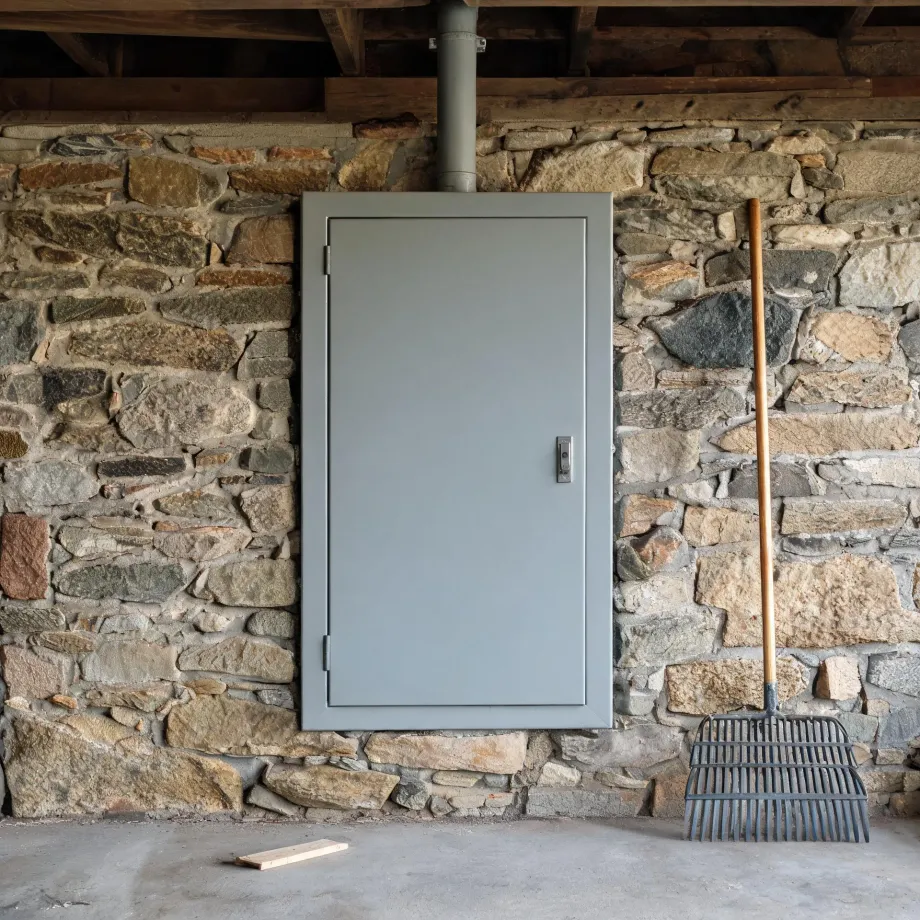
Ductwork and piping designed for equipment long since removed shapes what a boiler installation actually involves in Capitol Planning Region. Half the homes in Capitol Planning Region, Connecticut were built in 1966 or earlier (2020-2024 ACS 5-year). That history matters because the distribution infrastructure in much of this housing was sized and routed for something different from what a contractor is putting in today. A new boiler may be straightforward to specify, but whether the existing pipe runs, radiators, or zone valves can carry it is what the job turns on.
What Gets Installed With a New Boiler
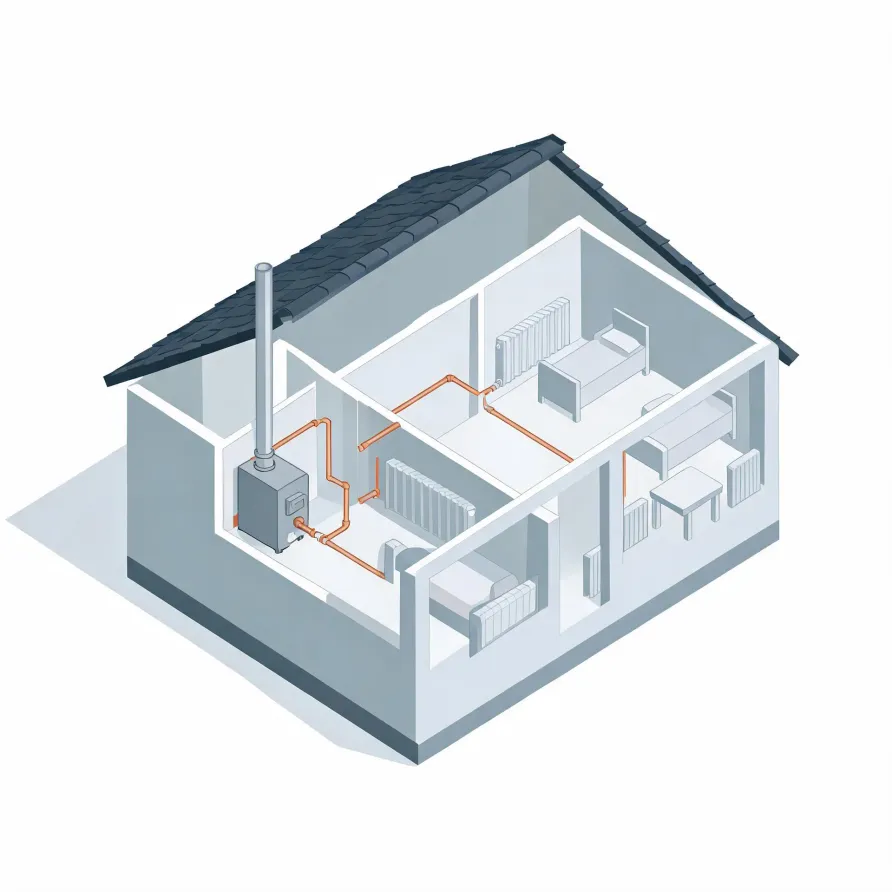
The boiler itself sits in the basement or a utility room and is the unit that heats water and sends it out through the system. Alongside it, the expansion tank manages pressure changes as water heats and cools, and the circulator pump moves the heated water through the pipes.
Baseboards or radiators sit in each room along exterior walls, receiving hot water and releasing heat into the space. The thermostat mounts on an interior wall and tells the system when to fire, while the zone valves or zone controls direct water to the right parts of the house.
The drawing shows a general layout of these components, and a licensed contractor determines exactly what applies to your house and its existing setup.
Find a contractor in Capitol Planning RegionCapitol Planning Region, CT, by the numbers
Half the homes in Capitol Planning Region, Connecticut were built in 1966 or earlier (2020-2024 ACS 5-year).
U.S. Census Bureau, 2020-2024 American Community Survey 5-Year EstimatesCapitol Planning Region, Connecticut holds 416,559 housing units (2020-2024 ACS 5-year).
U.S. Census Bureau, 2020-2024 American Community Survey 5-Year EstimatesOwners occupy 65.7% of the occupied homes in Capitol Planning Region, Connecticut (2020-2024 ACS 5-year).
U.S. Census Bureau, 2020-2024 American Community Survey 5-Year EstimatesBoiler Installation Rules & Codes for Capitol Planning Region, Connecticut1 sourced standards and regulations
Licensing and Legal Requirements in Capitol Planning Region, Connecticut
Connecticut requires a state licence to perform, or to advertise, heating, piping and cooling work: no person may practise an occupation this chapter covers without first obtaining one.